
TIFFANY GUO
Glacier Ridge Seasonal Naturalist
The time of dinosaurs would seemingly be forever lost in the instant that a massive chunk of rock and metal hurled into Earth at 20 kilometers per second. The asteroid impact event that killed the dinosaurs along with other life forms occurred 66 millions ago—the blazing curtain call of the Mesozoic era.
Although this prehistoric Armageddon (known as the Cretaceous-Paleogene (K-Pg) extinction event) forever eliminated at least 75% of all species on Earth, this devastation of larger predators was instrumental in forging a dirt path for smaller animals to thrive. Scaly reptiles like crocodiles and snakes persisted through the fallout by taking refuge in water or insulating themselves underground. Opossums and squirrels foraged in the aftermath for a variety of seeds and insects. Meanwhile, for millennia following the collision, a very different set of macroscopic “predators” reigned over the Earth: climate change, shockwaves, and ecosystem rift. The kingdom of giant apex animals, where dinosaurs once trailblazed, stood barren. This vacancy is where, over time, animals familiar to us today ascended the ranks and filled the ecological niches that the dinosaurs left behind.
However, not all dinosaurs went out with a bang. There is one dinosaur we often overlook that, unlike its counterparts, lives alongside us today: birds are reptiles that descended from theropods, a diverse group of dinosaurs including the infamous Tyrannosaurus Rex. (It’s important to note that the particular lineage of theropods responsible for modern birds were dinosaurs with hollow bones and feathers that excluded the T Rex. This makes birds distantly related to T Rex, not directly). It’s proposed that smaller, ground-dwelling avian dinosaurs were able to evade the prevalent forest fires and catastrophic disruptions to their ecosystems, shifting to a plant-based diet. In the millennia following K-Pg, they diversified to the varieties of birds we know today.
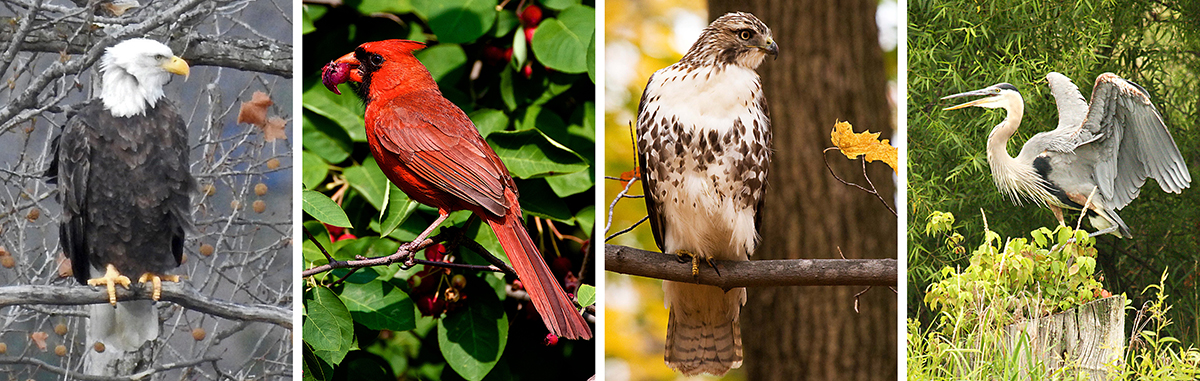
Although our perceptions of dinosaur forms have evolved throughout time (the long-necked brachiosaurus which favored open grasslands was once thought to be too heavy to live anywhere but in water), fossilized remains of extinct dinosaurs show that they had more in common with modern birds than we once thought. Many of the bones feature quill knobs: little surface bumps that served as anchoring points for feathers.
The presence of quill knobs was only one such revelation. Throughout the 19th century, dinosaurs were generalized to be slow, unintelligent, and cumbersomely gigantic—evolutionarily defective and destined for extinction. Later came tectonic shifts in thinking, where newer fossil discoveries suggested that they were more intelligent, agile, and dynamic than we’d ever thought. It wasn’t until the 1990s that our illustrations showed some dinosaurs as winged and feathered, from where we grapple with the idea that the dinosaur may not be as prehistoric as its tragic history implies. There are those that survived the asteroid and the bleak aftermath, persisting through the dawn of humans: those hiding in plain sight and soaring above our very awareness.
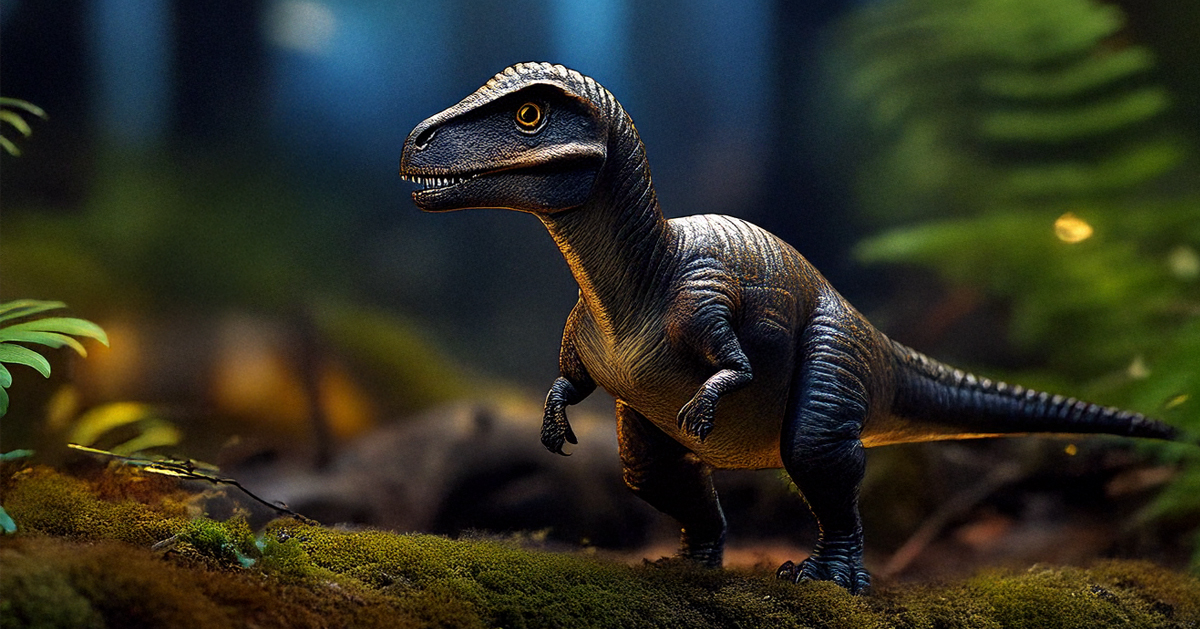
This is such an interesting article. I always love looking at more modern illustrations of dinos with feathers.
What an awesome way to start my Friday! Thank you Tiffany. This makes watching the birds getting their morning drinks at my bird bath so much more fun.
It definitely casts tiny songbirds in a whole new light! I’m glad you liked it.