KATIE LOFTON
Outdoor Adventure Programmer
Just like your furnace, you don’t want to skimp out on preventive maintenance on your bicycle in the off-season! Winter or early spring is the perfect time to give your bike a check, either at home or at a repair shop, to make sure it is in tip-top shape for riding season!
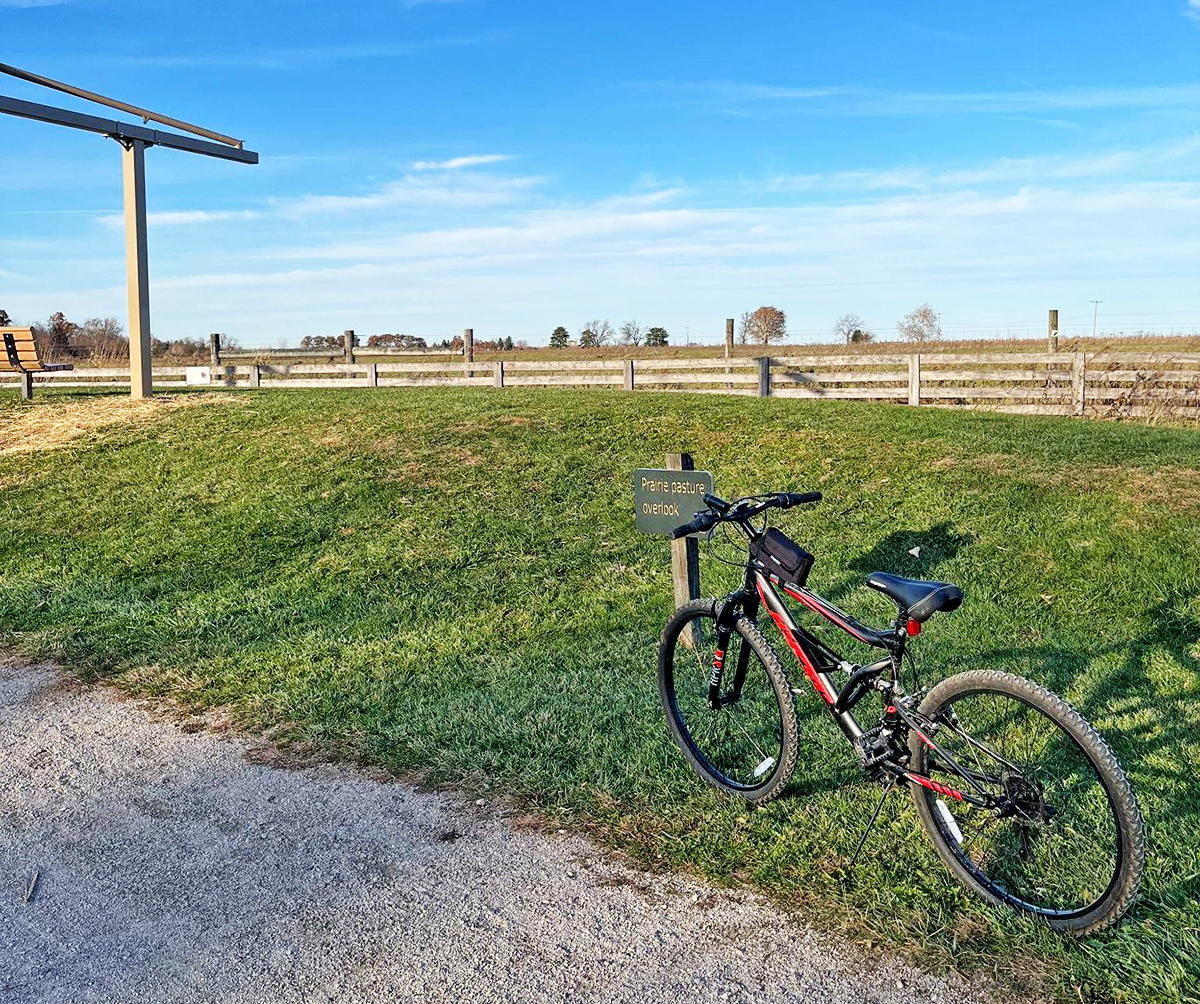
Most people, even experienced cyclists, can be intimidated by working on their bike. With just a few tools, anyone can be a novice bike mechanic. Start with the ABCs before heading out on a ride: Air, Brakes, Chain.
AIR
Make sure your tires are aired up properly, the tread is looking good, and there is no cracking, dry-rotting, or leaks.
BRAKES
Pump the hand levers and make sure they have a good amount of tension, and there is no rubbing.
CHAIN
Push on the chain a bit and if it is too tight or loose, adjust your wheel in the dropouts; clean it off using degreaser, and add lube as needed.
In addition to these ABCs, giving the whole bike a once-over to ensure no bolts are loose and the bike is shifting properly will be helpful.
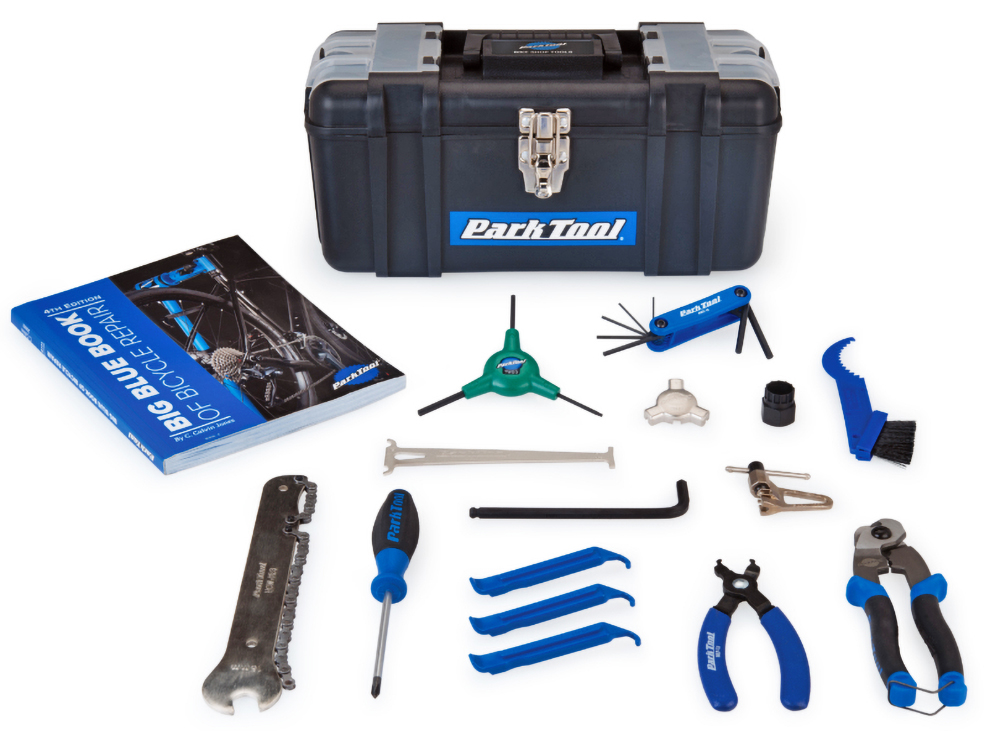
Most minor adjustments on a bike can be done with a few simple tools that you may already have at home: phillips head screwdriver, allen key set (likely 4, 5, and 6mm), and traditional wrenches or sockets (typically 15mm for wheel bolts without quick releases). Also, you can use old t-shirts as cleaning rags, and a bottle of chain lube only costs $8. Bike repair stands can be large and expensive, but a lot of small repairs can be done with the bike upright freestanding, or upside down, resting on the handlebars/saddle. A floor or hand pump, tire levers, and replacement tubes for your bike are also a good investment. Torque specs, etc. can be found in your bike’s manual or online.
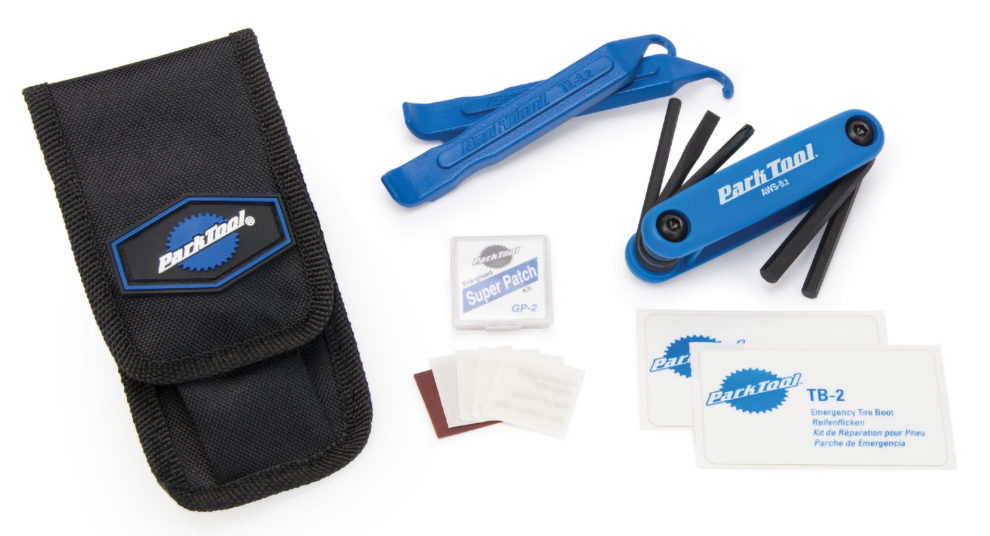
For trailside repairs, be sure to have a small repair kit with you while riding for any emergencies. This can be as simple as an extra tube, tire patches, tire levers, and a hand pump. Other items that could be helpful for longer rides are: a multi-tool, wrench, chain tool, lube, and rag. Overall, familiarize yourself with your bike’s specs and what issues you tend to run into on your rides, to make sure you have the right tools for the job.
Websites such as Park Tool have a wealth of information on getting your bike back on the road, including step-by-step video tutorials on most repair tasks for any type of bike. As with most things, it is best to fix issues while they are small before they snowball into a much larger repair. This will increase the life of your bike and your bank account! Happy riding!