ELAINE HALL
Assistant Resource Manager
The 1800s and early 1900s was a particularly tough time for birds. Feathered hats were all the rage and market hunters would harvest over 5 million birds every year to supply feathers for the hottest fashions. Not only on the commercial level, but every year around the holidays people would gather for the Christmas Hunt. Families, friends, and commercial hunters (who called this the “Side Hunt”) would form teams and compete to see who could shoot the most birds and small game in a single day.
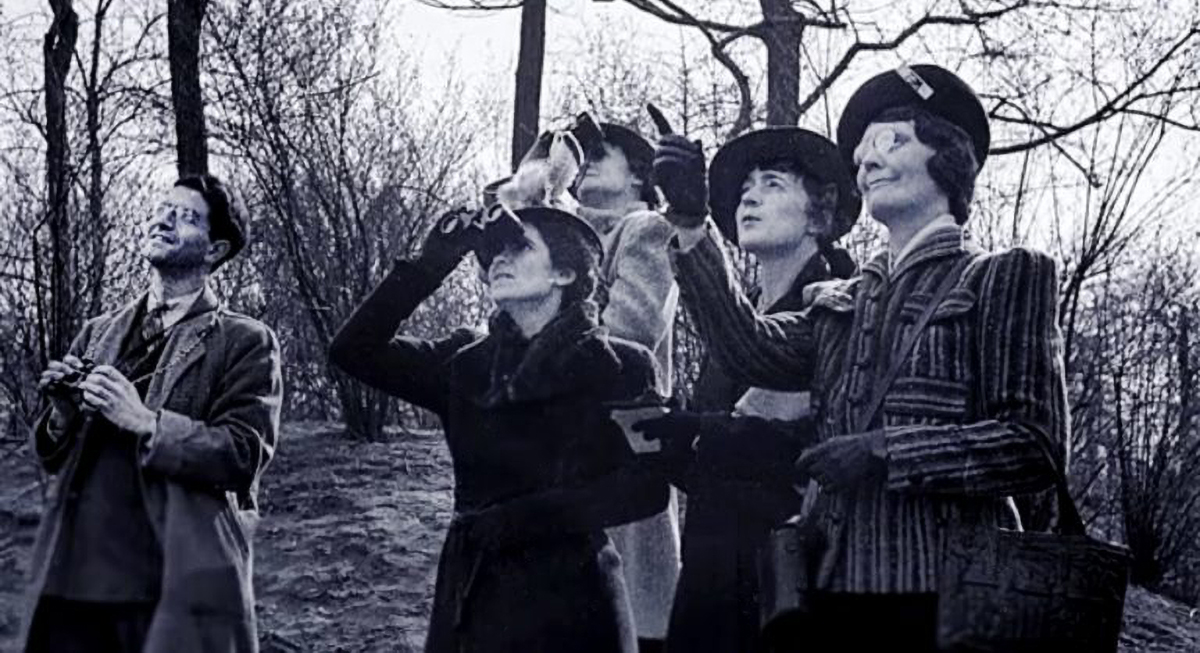
Even ornithologists and naturalists were no strangers to hunting animals. After all, it was the easiest way to collect and study species. But between industrial harvest and the annual hunt, bird populations plummeted, causing growing concern about the extinction of some of our most beautiful birds. Thus, National Audubon Society clubs started forming in many states to help save them.
On Christmas Day in 1900 Audubon member and ornithologist, Frank M Chapman came up with the idea that maybe this year, instead of the Christmas Hunt, they take a census of every bird they see. A few chapters agreed and the first Christmas Bird Count took place. Reaching from Ontario to Pacific Grove, California, a total of 90 bird species were recorded.
This year marks the 126th annual Christmas Bird Count, making it the longest-running community science survey. While a scientific survey, the Christmas Bird Count is for everyone. You do not need to be an expert birder to help, and it’s a really fun day of getting outside or observing our feathered friends. Across the country, “Count Circles” which focus on specific geographical areas are designated and participants count all the birds they see in a 15-mile diameter circle. Circles are given a singular assigned day between December 14 and January 5. Each circle is led by a count compiler who submits the data to the Audubon science team and summarizes their circle’s data annually. The first Christmas Bird Count in 1900 had 27 participants, and today’s counts have over 80,000.
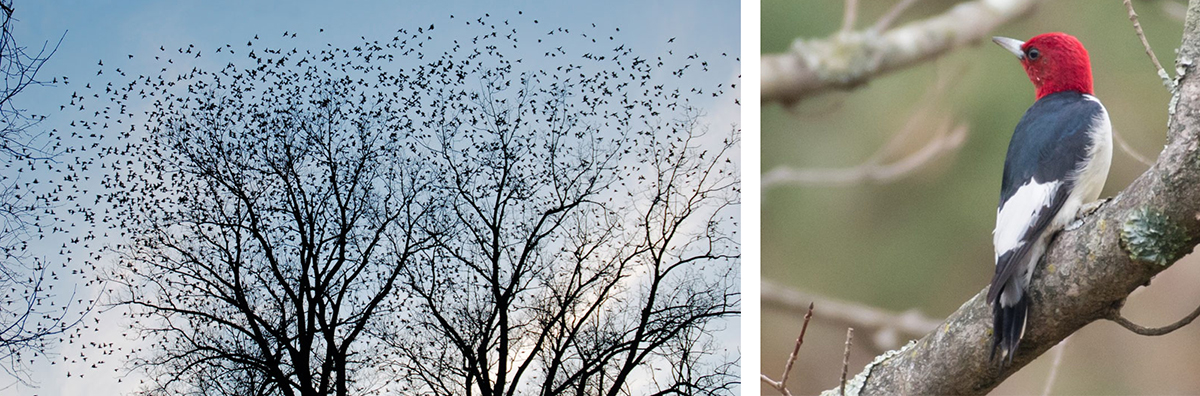
Data from Christmas Bird Counts provide scientists with a snapshot of where bird populations are during the winter months. Many species of birds will use a specific habitat to breed, and then migrate to a different area to spend the winter. Christmas Bird Count data can be used along with data from breeding bird surveys to get a complete picture of where bird populations are, and how they are doing, throughout the entire year. A great example of this is the Sandhill Crane, which uses marshes and prairies to raise their young in the spring, often moving north into Canada. In the wintertime, they move to the southern United States and Mexico and utilize agricultural fields for food.
Among other uses, this data can be used to generate an annual “State of the Birds” report for the United States. Scientists can look at groups of birds, such as grassland birds, and identify population trends. By seeing which types of species are doing well, and which species are in decline, land managers can decide which types of habitats to preserve or restore. Long-term population data can also allow scientists to see the impacts of climate change based on where birds go in the winter. Over the past 47 years (1966-2013), the average center of abundance for 305 North American bird species in the winter has shifted north by more than 40 miles.
Participants in Christmas Bird Counts do not need to be bird experts. Anyone can participate, and it is free to do so. Several of the Columbus and Franklin County Metro Parks participate in area counts. Here are some upcoming Christmas Bird Counts at a Metro Park:
Thursday December 18, 10:30am to noon – Battelle Darby Creek Metro Park
Saturday December 20, 9-11am – Inniswood Metro Gardens
Saturday December 20, 10am-1pm – Sharon Woods Metro Park
Sunday December 21, 9-11am – Blacklick Woods Metro Park
Wednesday December 31, 8am-noon – Glacier Ridge Metro Park
Click to download the 2025 State of the Birds Report