
LOGAN DUNN
Assistant Resource Manager
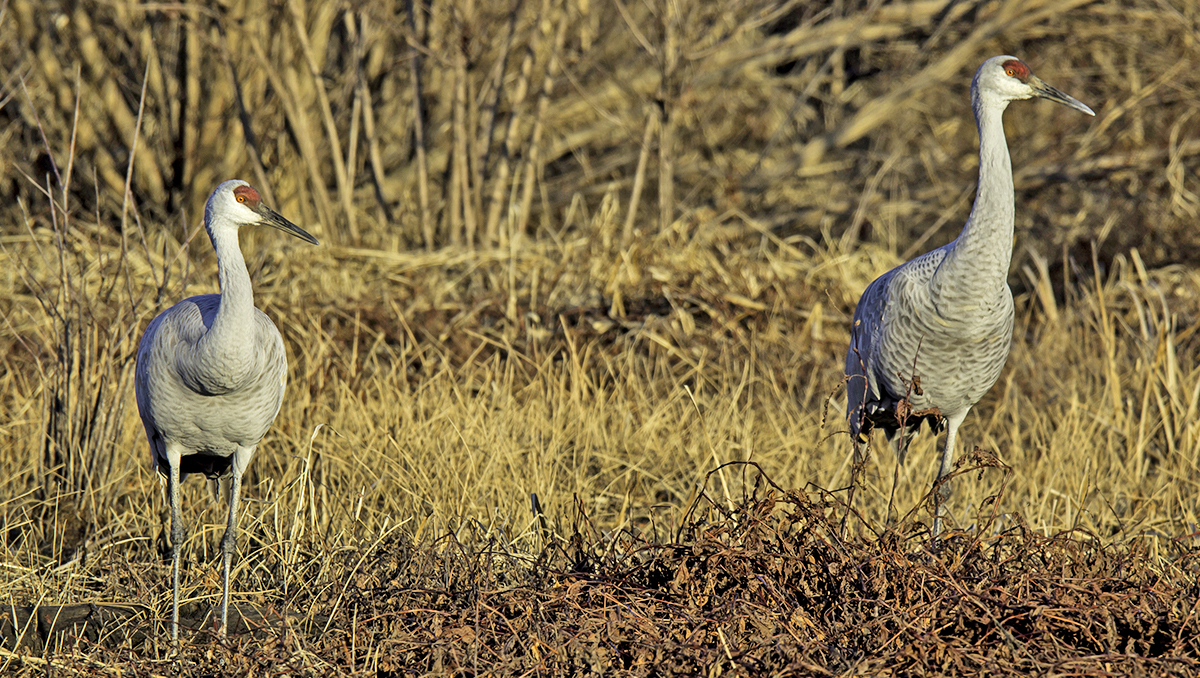
Sandhill cranes are large majestic birds that capture the attention of almost anyone found within the area of them. They are still listed as “Threatened” in Ohio and albeit this listing status, they are slowly rebounding back, showing a modest 4% increase in population numbers after the recent Sandhill Crane Survey performed this year.
Slate Run Metro Park boasts an intricate wetland complex, designed for varying water depths to support a large diversity of inhabitants, including the threatened sandhill crane. Over the years, since the inception of the wetland complex, woody species like black willow, cottonwood, American sycamore and black locust have been aggressively establishing themselves along the edges of the berms of each of the wetland cells. This establishment along the berm not only compromises the integrity of these berms, it also reduces flight patterns for migrating waterfowl, increases predator pressure for sandhill cranes and reduces sight lines.
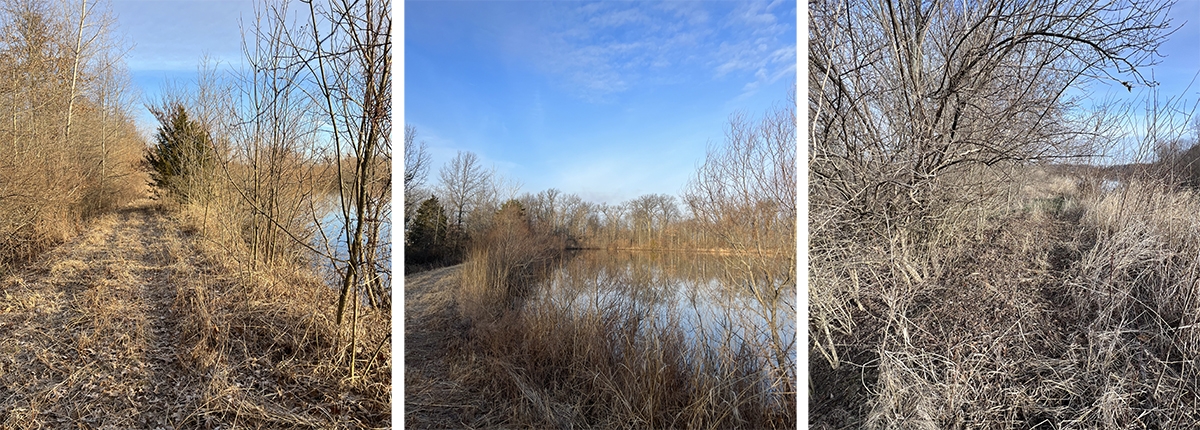
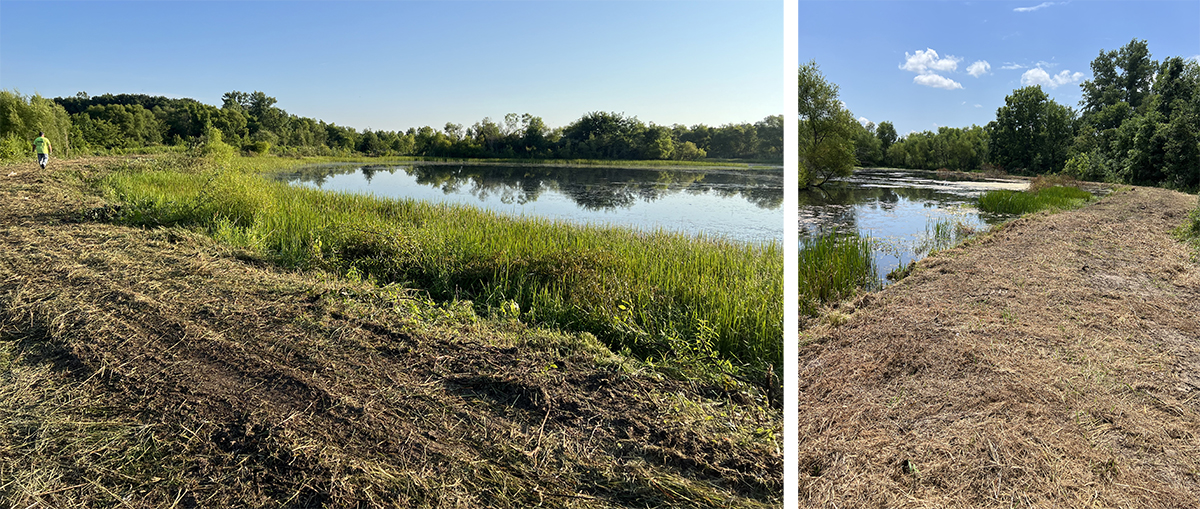
In order to restore the wetland complex and enhance habitat quality, specifically for nesting sandhill cranes, we began carving out a few wetlands to enhance them for this year and we plan to continue the project outside of the wetland berms too. This project included hiring a contractor with a forestry head, chainsaws and a woodchipper. The goal was simple, eradicate all woody trees along the berms of the wetlands and maintain buttonbush specimens for enhanced cover.
By performing this surgical procedure to the wetland complex, we created more of a mosaic of habitat types that enhance not only the quality of habitat for sandhill cranes, but other migrating waterfowl, shorebirds and amphibians as well.
As our resource management mission states: “Manage the available resource base in a manner which provides the optimal amount of quality habitat, preserves or restores the composition of the native communities, and benefits the largest diversity of native species possible.” This encompasses the very essence of our restoration strategy across the district.
When I left the wetland site recently, post woody removal, I heard the trumpets of sandhill cranes flying overhead, the clicking sound of cricket frogs and a plethora of other species. I felt happy, and also relieved and truly at ease to know that the work that we do isn’t for naught and provides a very important role for not only protecting these species, but also preserving these species for generations to come.
Good to know! When do Sandhills cranes come to this area?
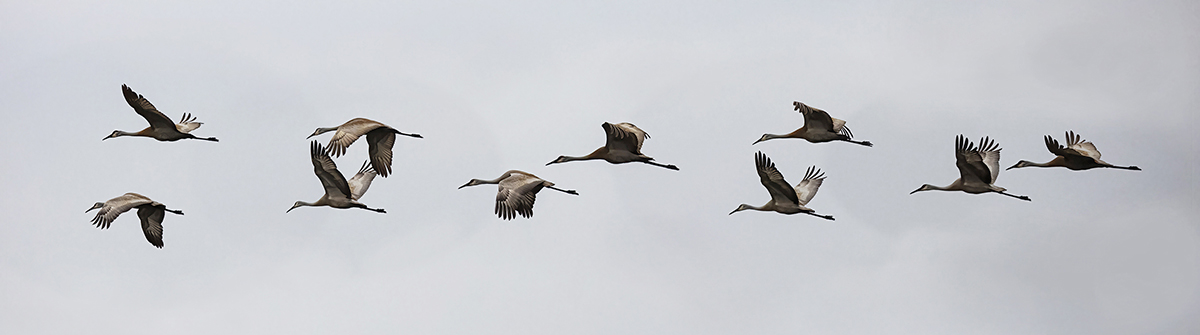
As well as nesting cranes at both Slate Run and Pickerington Ponds Metro Parks, sandhill cranes typically migrate through Ohio in fall migration, usually October and November, and spring migration, February through April.
Fantastic work my wife and I are Hugh fans of Sandhills and have seen them in Indiana Michigan and Ohio. Very excited to be able to see them so much closer to our Cincinnati home.
Well done Columbus you have phenomenal parks!!
Hubby and I love photographing the Sandhill Cranes at both Slate Run and Pickerington Ponds. I captured my first colt picture this spring. I continue to be surprised that they are here and so close to our home!