ELAINE HALL
Assistant Resource Manager
Annual upkeep of our structures for various species is underway, or even wrapped up by March, as we prepare staff and volunteers for another year of monitoring. As you walk and wander the parks, have you ever stumbled upon various birdhouses, boxes and other structures? You may have wondered, “What is that for?”
For some structures, it may be obvious what species we are trying to aid, while others are off the beaten path and look like fortresses that hold secrets.
Metro Parks installs structures for many different wildlife species to mitigate habitat loss, enhance survival, and aid conservation in the ever expanding human-modified landscape. These structures provide essential breeding and nesting sites, shelter from predators, and add space that may otherwise not exist or is being taken over by invasive species. Utilizing human-made structures is also a great way to monitor species of greatest conservation need. They are easy to monitor since we know exactly where they are and we often install them in such a way that allows us to peek inside or watch their residents come and go. We’re able to track the date of installation, when and what species take up residence, how many broods of offspring they have supported, and when they become vacant.
During the boxes’ vacancy we clean house. This is usually over the winter months before many of our species return in spring to utilize them for another season of nesting. This includes emptying out old nesting material, cleaning out guano and fecal matter, making repairs to rotted and damaged wood, or removing and replacing them altogether if the house is beyond repair, or if it hasn’t been successful in attracting a resident.
Below are pictures of some of the structures we have installed in the parks, their target species, and a few facts.
Bluebird Houses
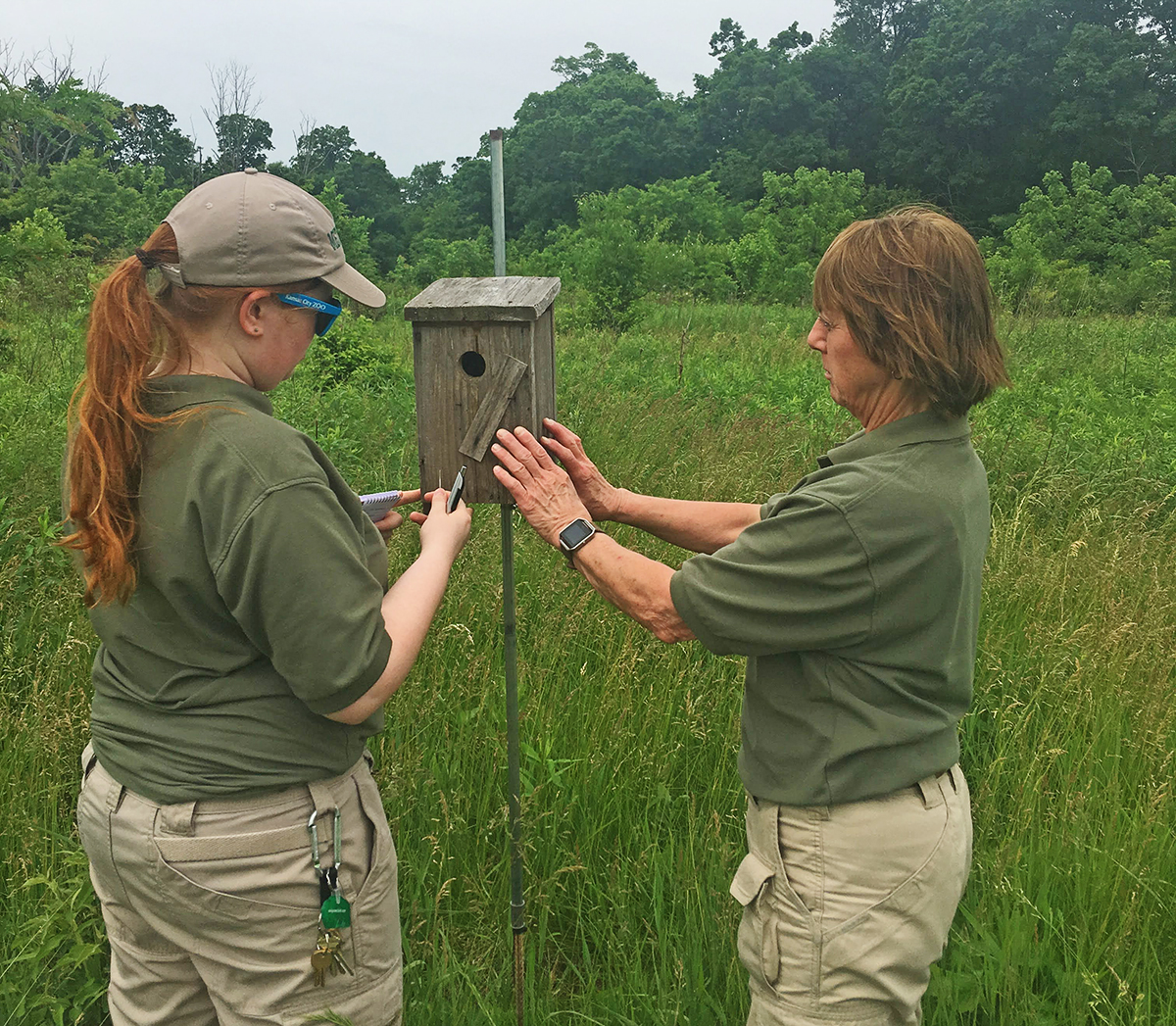
While these boxes are meant to benefit eastern bluebirds, other native birds will also use them to raise young, including tree swallows, Carolina chickadees, and house wrens. Staff and volunteers monitor these boxes during the spring and summer to see which species use the boxes and to troubleshoot any problems such as invasive house sparrows taking up residence. In winter we clean out the houses completely and give them general maintenance or replace any damaged ones.
Barn Owl Boxes
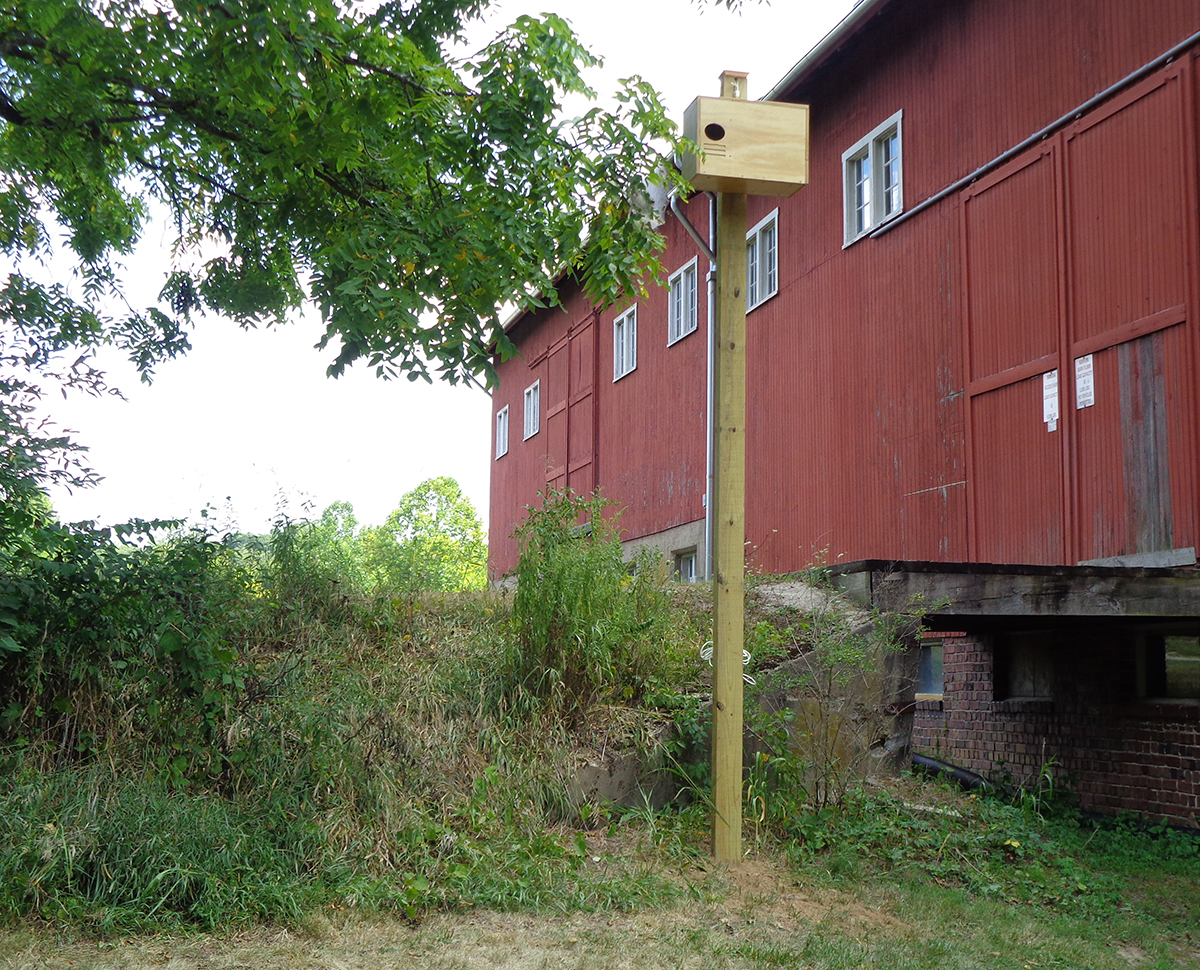
Barn owls are a threatened species in the state of Ohio, barn owls use agricultural and open field areas for hunting, and will often nest in natural or manmade structures. This box is monitored by staff annually and so far, there are no owls using the box, but European starlings have tried moving in several times. Debris is removed in January or early February before the barn owls return to the area looking for nesting sites.
American Kestrel Box
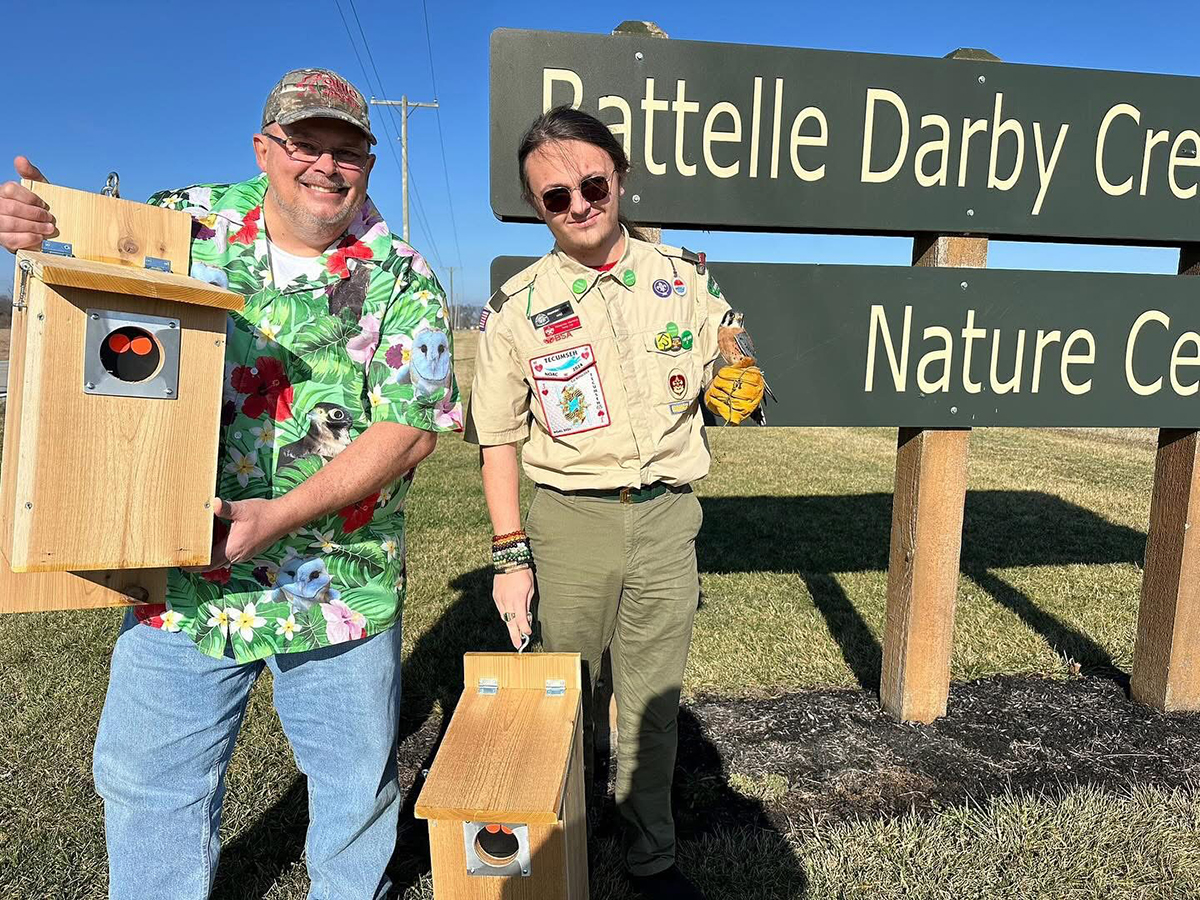
It’s not easy being North America’s smallest falcon. You’re tiny enough to be eaten by larger raptors. Sometimes, when you visit your favorite feeding grounds, you find that buildings have replaced the grasslands that used to provide tasty prey. This has caused the American kestrel to become one of the most rapidly declining species. American kestrel nest boxes are cleaned annually between February and early March, before the breeding season begins. Cleaning involves removing old nesting material, poop and pellets, and replacing it with 2 to 3 inches of fresh wood shavings or chips.
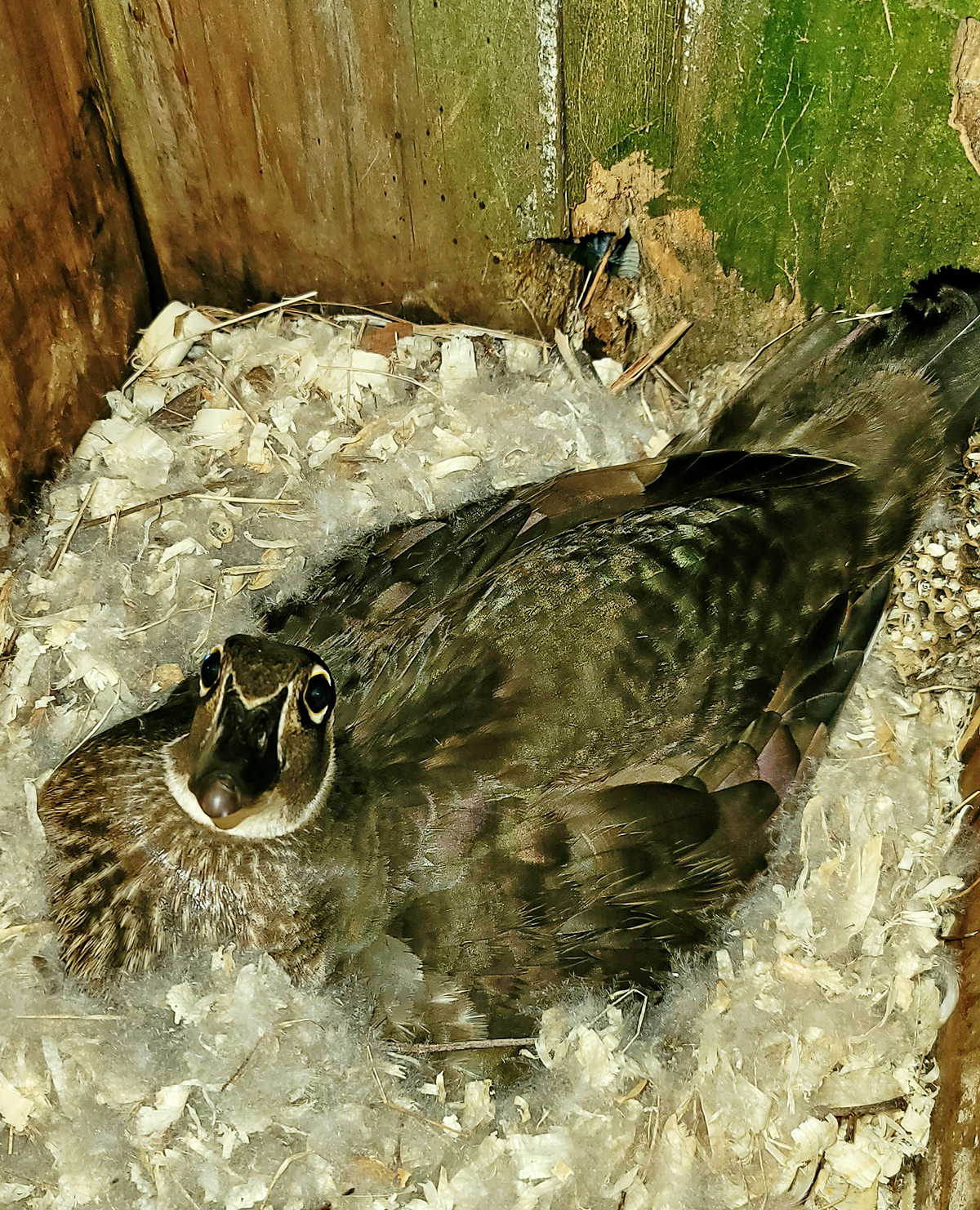
Wood Duck and Screech Owl Boxes
Since modern timber management reduces the number of old-growth trees with natural holes, these boxes replace lost nesting sites. When paired with proper predator guards, boxes protect eggs and ducklings from raccoons, snakes and other predators. They provide safe, suitable nesting sites in forested wetlands, which helps increase local and regional wood duck populations. Wood duck boxes are cleaned annually between February and March to remove old, wet nesting material and waste, which helps prevent disease and parasites. After removing old debris, we add 3 to 5 inches of fresh wood shavings, and inspect for structural damage or needed predator guard repairs.
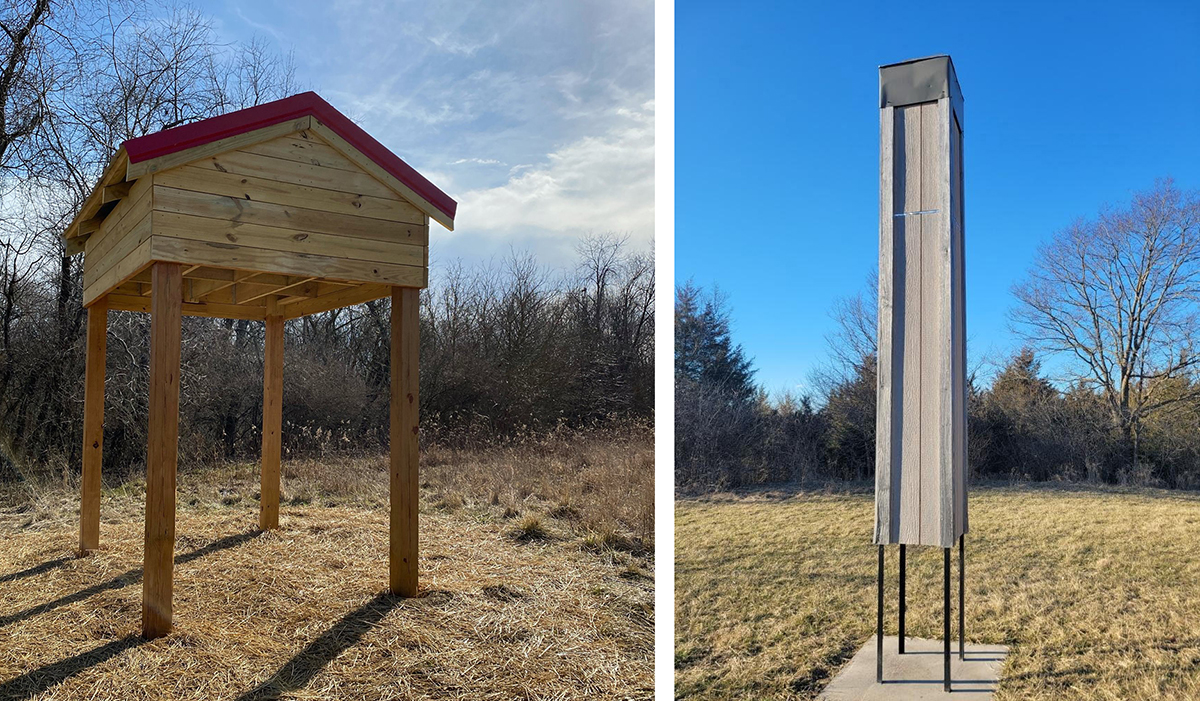
Barn Swallows and Chimney Swifts
Since the 1970s, insectivores, like barn swallows and chimney swifts, have experienced a 32% population decline. Chimney swifts eat and mate in the air. They are only still when they are sleeping or nesting. Chimney swifts cannot perch like other birds, instead clinging to a vertical surface. The chimney swift tower at Highbanks can be used for nesting, but it is also used by many birds for roosting as they prepare for migration in the fall. Highbanks staff maintain the tower.
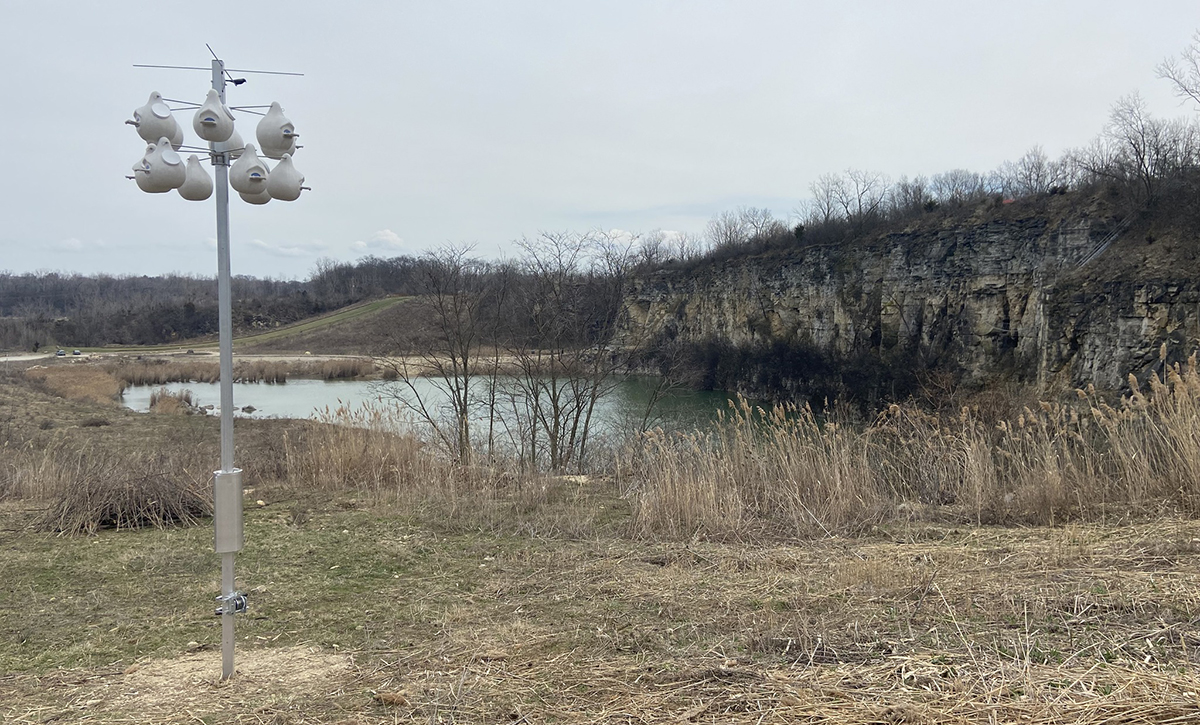
Purple Martins
Purple martins are another insectivorous bird, often found in areas near water. They nest in communal areas. Purple martins travel all the way from South America to breed. They feed their young up to 60 times a day, and do all of their feeding and drinking while in flight. The martin condos are taken down, cleaned and placed back up annually with their migration patterns.
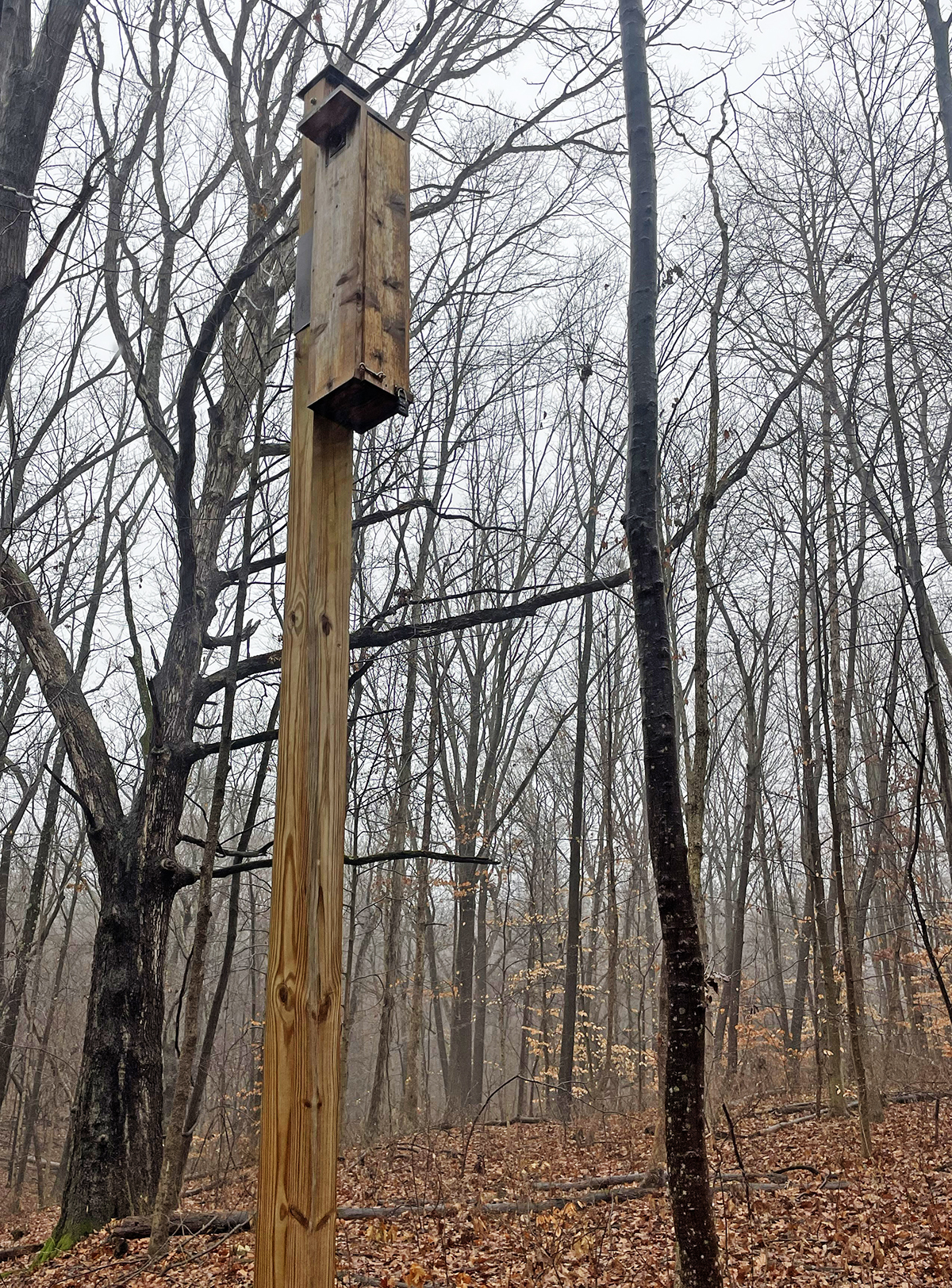
Flying Squirrel
Southern flying squirrels are the most common squirrel in Ohio. Due to their nocturnal nature, they are difficult to observe. Flying squirrel boxes are monitored by staff and volunteers and used for programming. Squirrels will raise young in the boxes, but may also use them to stay warm together and to store food. Cleaning out the boxes may only be in January and February as this is the only time of year the box may be vacant. Flying squirrels readily use boxes that are set out for other species, such as wood ducks, screech owls, and even our bat condos.
Bat Structures
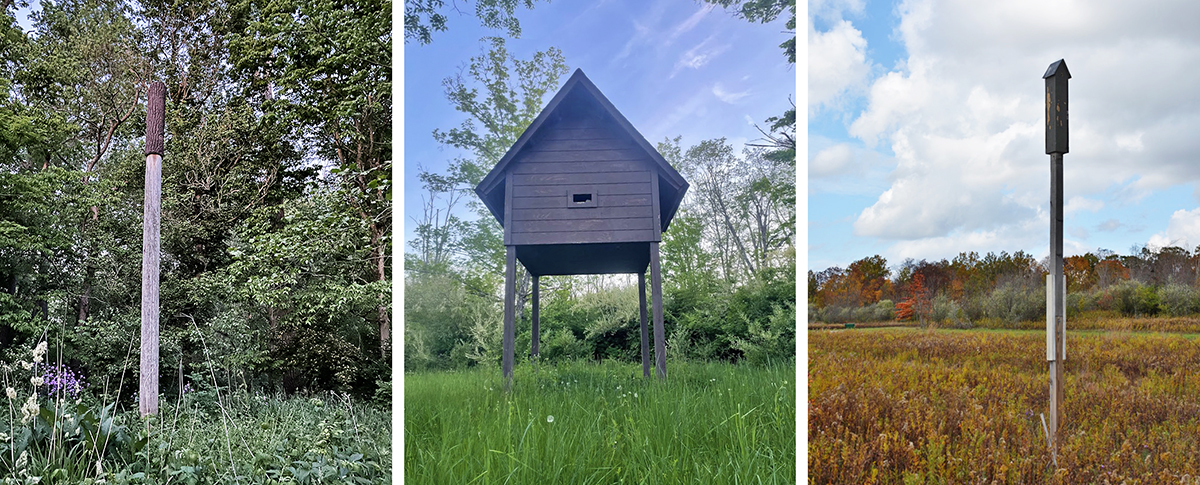
Metro Parks has documented nine of the 11 Ohio bat species within the parks. All of Ohio’s bats are listed either federally or as an Ohio Species of Concern and therefore protected. Our maternity roost exit counts are three fold.
- White-nose syndrome (WNS). Since the appearance of WNS, bat populations have experienced declines of over 90%. Population declines of some species were as high as 96% to 99%. So monitoring bats helps us keep tabs on their population health.
- The females of federally listed species, those hit hardest by WNS, such as northern long-eared bats and Indiana bats, have a high fidelity for maternity roosts. meaning that they return to the same trees or roosting structures year after year to have and raise their young. They also form colonies to raise their young together.
- Since WNS some research efforts have focused on which species are willing to utilize manmade structures such as a condo or BrandenBark roosts that you may see in the parks. This helps us provide additional resources for bats.
Annually we open up the condos and clean out the guano and check the condition of the bat structures before survey season begins in May.
How do you keep squirls out?
You can’t really. We find many non-target residents in our boxes. Raccoons in woodduck boxes, squirrels in bat condos, etc… What we do try to manage are invasive bird species like house sparrows and European starlings in bluebird and kestrel boxes. This involves taking out their nesting material or blocking the hole until they give up or move on.