LIZ CHRISTIAN
Marketing & Social Media Specialist
When you visit a Metro Park, you’re already stepping into protected green space, but did you know that some Metro Parks contain areas with an extra level of protection?
Columbus and Franklin County Metro Parks are home to five Ohio State Nature Preserves, as designated by the Ohio State Division of Natural Areas and Preserves. The state designates these preserves because they protect rare habitats, exceptional natural features, or important plant and animal populations. They are places where nature comes first and where visitors can experience Ohio’s landscapes at their most intact.
Each preserve is unique, shaped by its geology, water and wildlife. Whether you’re drawn to forests, wetlands or scenic overlooks, a State Nature Preserve is waiting to be explored.
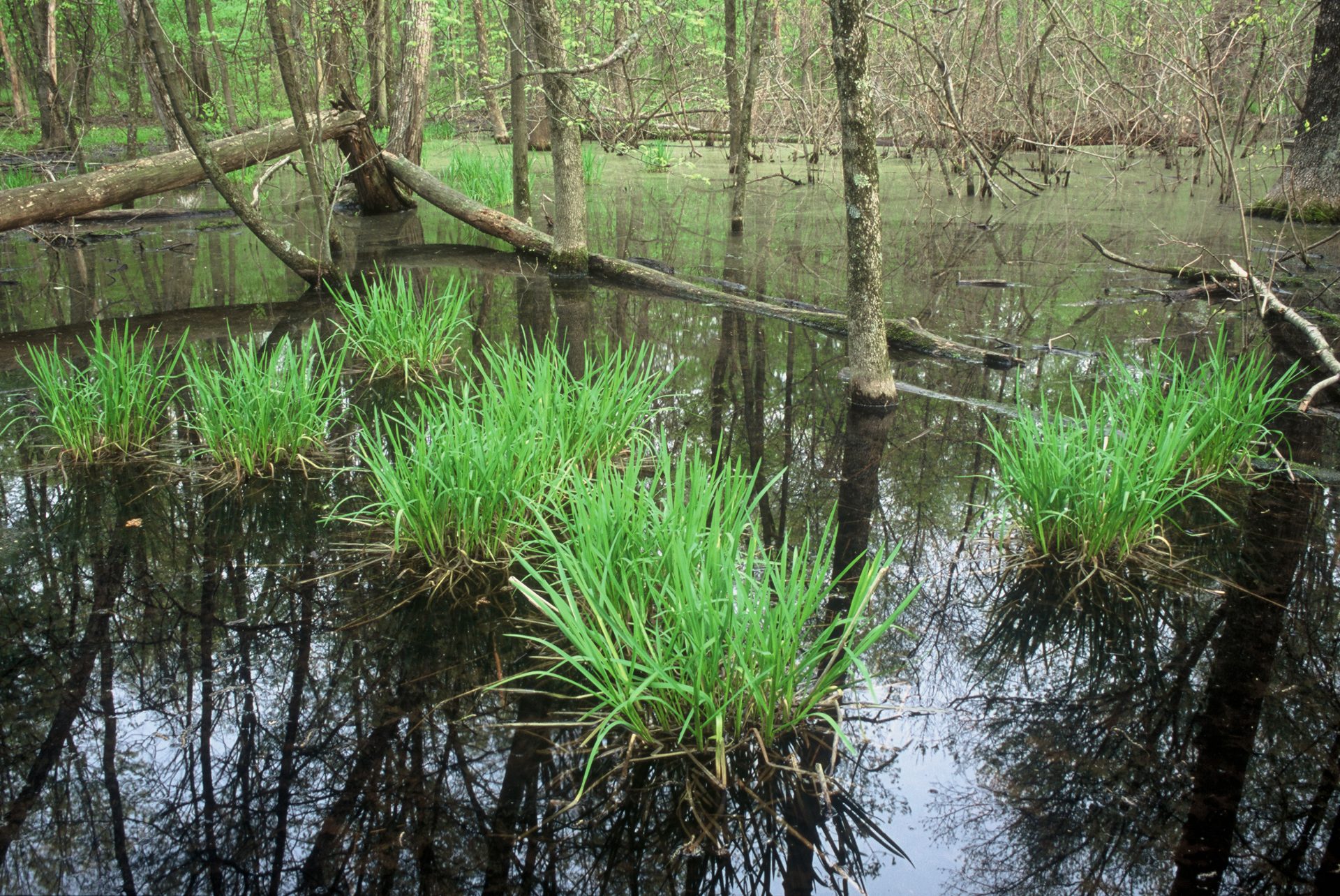
Walter A Tucker State Nature Preserve
Located within Blacklick Woods Metro Park, the Walter A Tucker State Nature Preserve protects one of the finest remaining examples of a beech-maple forest in central Ohio and the buttonbush swamp. Together, these habitats provide an important refuge for wildlife in an increasingly urban landscape. The buttonbush swamp, characterized by its dense shrubs and seasonally flooded conditions, supports amphibians, birds and insects that rely on wetland environments. In spring and summer, visitors may spot frogs, turtles and birds drawn to the water, while the surrounding forest floor supports wildflowers and fungi. Trails and boardwalks allow visitors to experience this unique combination of forest and wetland habitats while helping to protect the preserve’s sensitive ecosystems.
Explore the preserve by going on the 0.5-mile, easy boardwalk and gravel hike along the Buttonbush Trail.
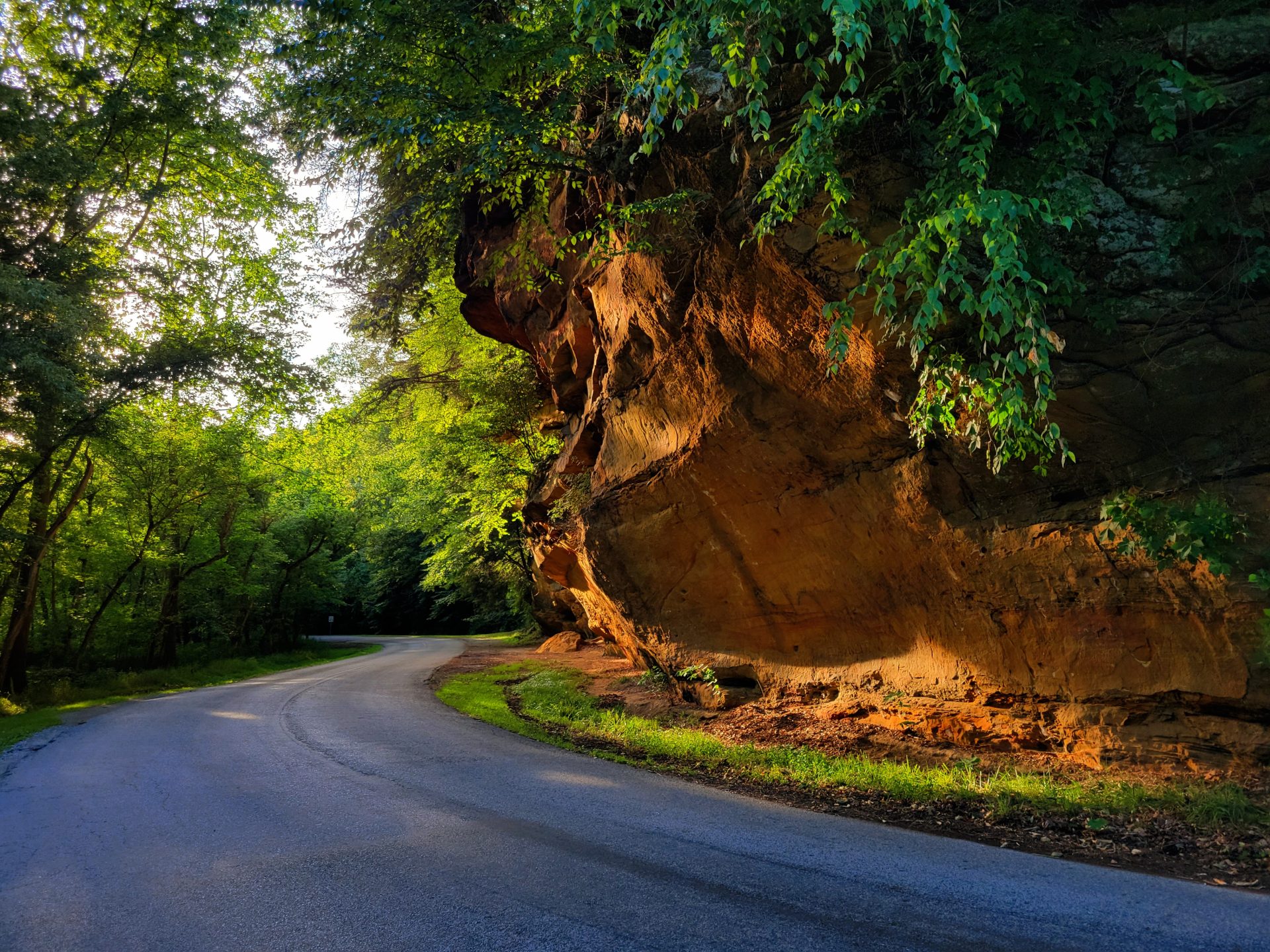
Clear Creek State Nature Preserve
Also known as the Allen F Beck State Nature Preserve, this area located within Clear Creek Metro Park is the largest State Nature Preserve in Ohio. This expansive preserve protects thousands of acres of forested hills, deep gorges and sandstone cliffs shaped by millions of years of geological change. Blackhand sandstone formations rise above Clear Creek, creating cool ravines that support rare plants and high biodiversity. Wildlife thrives in these forests, from songbirds to mammals adapted to rugged terrain. Hiking trails throughout Clear Creek offer visitors stunning views of the preserve’s cliffs, streams and wild landscapes, while ensuring that the ecosystem remains protected.
Choose any trail at Clear Creek Metro Park to enjoy the preserve.
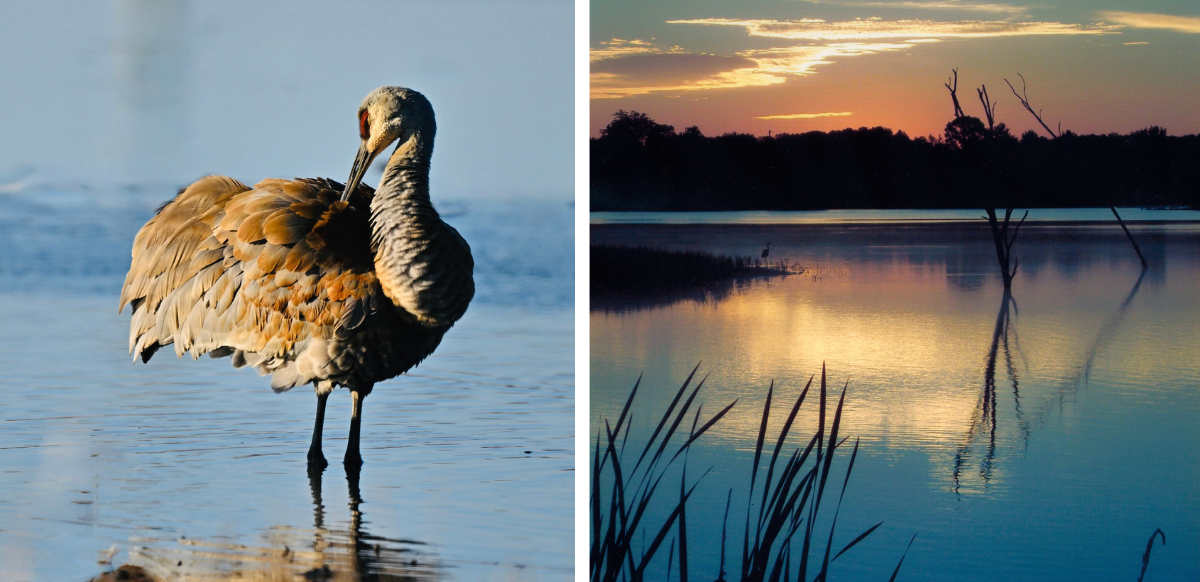
Pickerington Ponds State Nature Preserve
Pickerington Ponds State Nature Preserve is a haven for wildlife, especially birds, and is recognized as an Important Bird Area in Ohio. Located within Pickerington Ponds Metro Park, this preserve protects high-quality wetlands that play a vital role in migration, nesting and feeding. Managed water levels create the ideal conditions for shorebirds, waterfowl and wading birds, with more than 260 species of birds recorded throughout the year. Visitors may also encounter frogs, turtles, dragonflies and other wetland and prairie species. Boardwalks, observation decks and trails make it easy to experience this dynamic landscape.
Explore the preserve by going on the 1.1-mile, easy gravel hike along the Killdeer Trail.
Edward F Hutchins State Nature Preserve
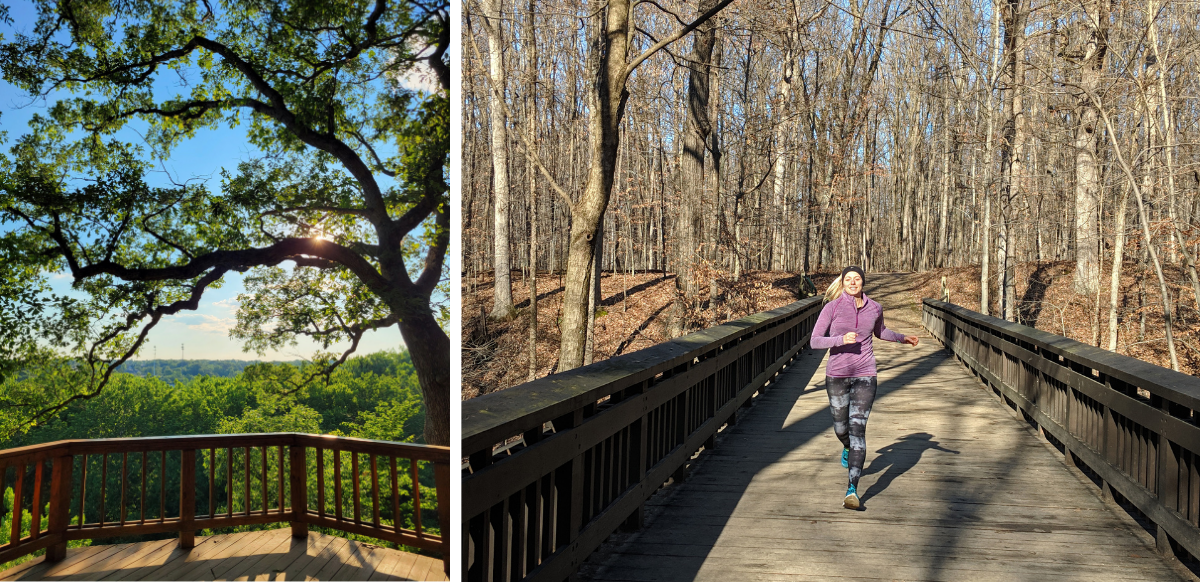
Within Highbanks Metro Park, the Edward F Hutchins State Nature Preserve protects a scenic mix of mature forests, limestone bluffs and river valley habitat overlooking the Olentangy River. This preserve showcases the natural features that make Highbanks so beloved, including rolling terrain and sweeping views. Seasonal wildflowers bloom beneath towering trees, while birds and mammals use the forest and meadow habitats throughout the year. Visitors can explore the preserve by following Highbanks’ trail system, which winds through shaded woods along the Overlook Trail.
Explore the preserve by going on the 2.3-mile, moderate to difficult gravel hike along the Overlook Trail.
Edward S Thomas State Nature Preserve
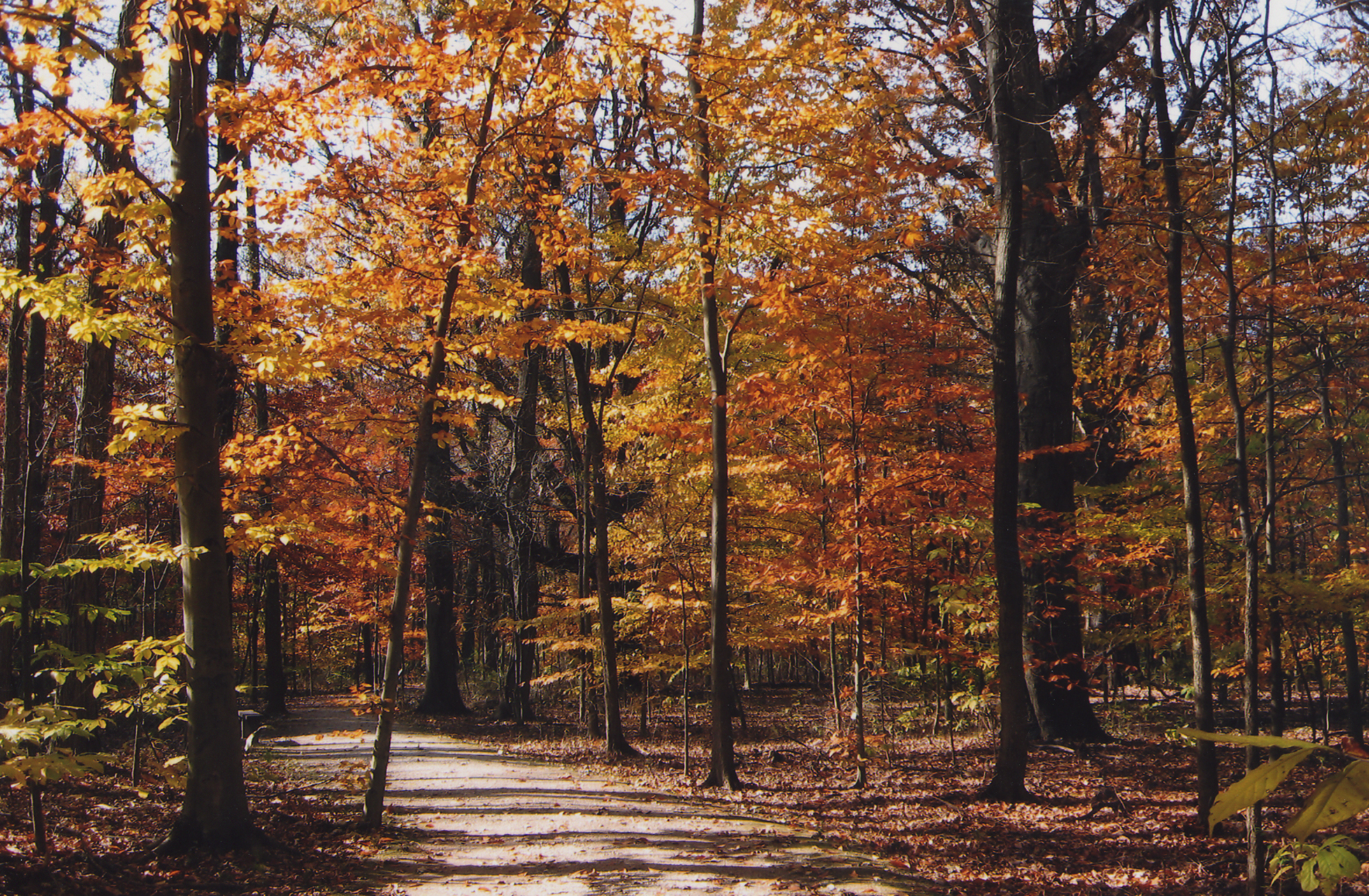
The Edward S Thomas State Nature Preserve is nestled within Sharon Woods Metro Park and protects a diverse mix of forests, fields and seasonal wetlands. Named for an early supporter of conservation, the preserve provides important habitat for wildlife while offering visitors a peaceful place to connect with nature. Mature trees provide shade and shelter, while open areas support pollinators and birds. Depending on the season, visitors may hear frogs calling in the spring, see butterflies in the summer, or enjoy vibrant fall foliage. The park’s trail system invites exploration year-round, making it easy to experience the preserve in every season.
Explore the preserve by going on the 1.1-mile, easy gravel hike along the Edward S Thomas Trail.
State Nature Preserves are designated to ensure that natural processes can continue with minimal disturbance. Within Metro Parks, these preserves protect sensitive habitats, support native plant and animal diversity, and provide opportunities for education and discovery. They are places where conservation and recreation work together, allowing visitors to enjoy nature while helping to safeguard it for the future.
When visiting a State Nature Preserve, staying on designated trails, leaving plants and wildlife undisturbed, and packing out what you pack helps protect these special places. Please remember to leave your pets at home when planning to visit a nature preserve. Thoughtful visits ensure that preserves remain healthy and welcoming for generations to come.