Logan Dunn
Assistant Resource Manager
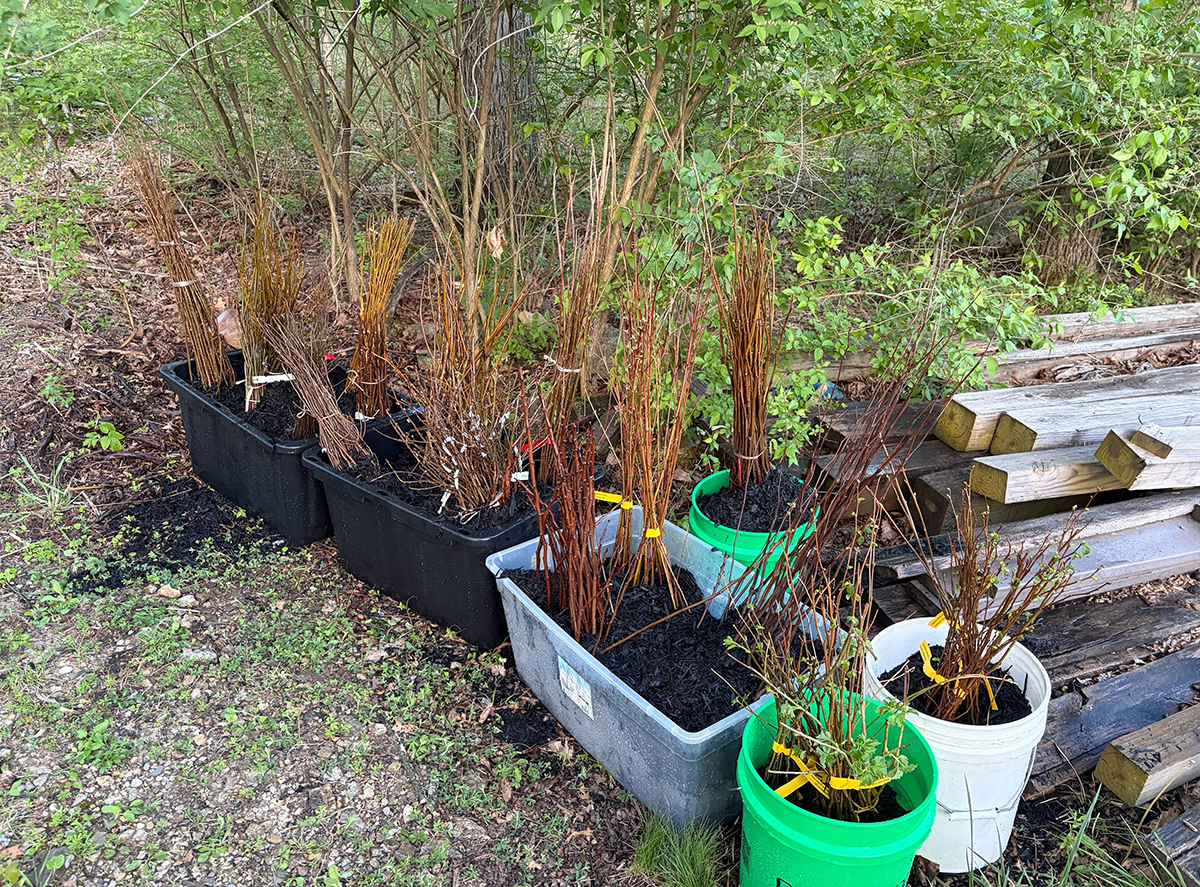
Metro Parks has long been involved with planting trees for for a variety of reasons, such as restoring old fields, supplementing habitat and creating green space for all to enjoy. These tree plantings, also termed reforestation projects, have often come in the form of contracts with various companies or through various grant programs like NRCS, USDA, Corporate Water Grants, H2Ohio and many others. Tree plantings are fantastic resources for enhancing water quality, stabilizing soils, creating habitat for various species of birds and other wildlife, sequestering carbon from the air that we breathe, reducing the urban heat domes by creating shade, and many other benefits.
Each year the Resource Management team allocates approximately $150,000 for our Capital Improvement budget specifically for reforestation projects. In addition to this, we also budget several thousand dollars for restoration projects that often include tree planting. With this money being available to us, we typically meet with our Resource Management volunteers and partner with staff from the parks to use dibble bars to help get these trees into the ground.
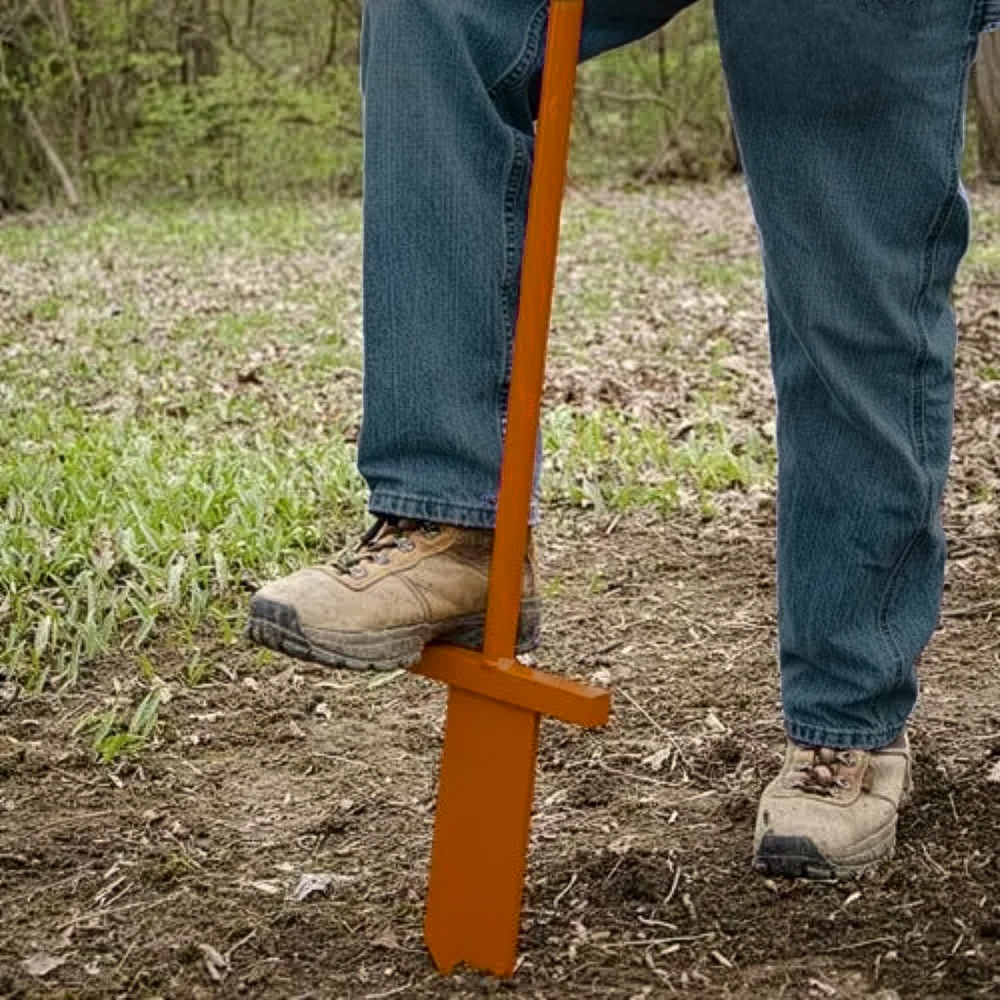
In a day, we can typically plant a few hundred trees with this method. Knowing this, we wanted to try to scale this up to plant more trees in less time and to improve our overall successful establishment rate. Ideally, this is around 250 trees per acre or more. This can be in the form of bare root seedlings, which are younger and smaller trees that have exposed roots with little to no soil binding them together.
These bare root seedlings typically cost, on average, around 50 cents per bare root tree. We have also done containerized tree planting, where we take larger potted trees that have a substantial amount of soil and root system development. These are older and typically more expensive trees that will cost around $3 to $5 dollars per tree.
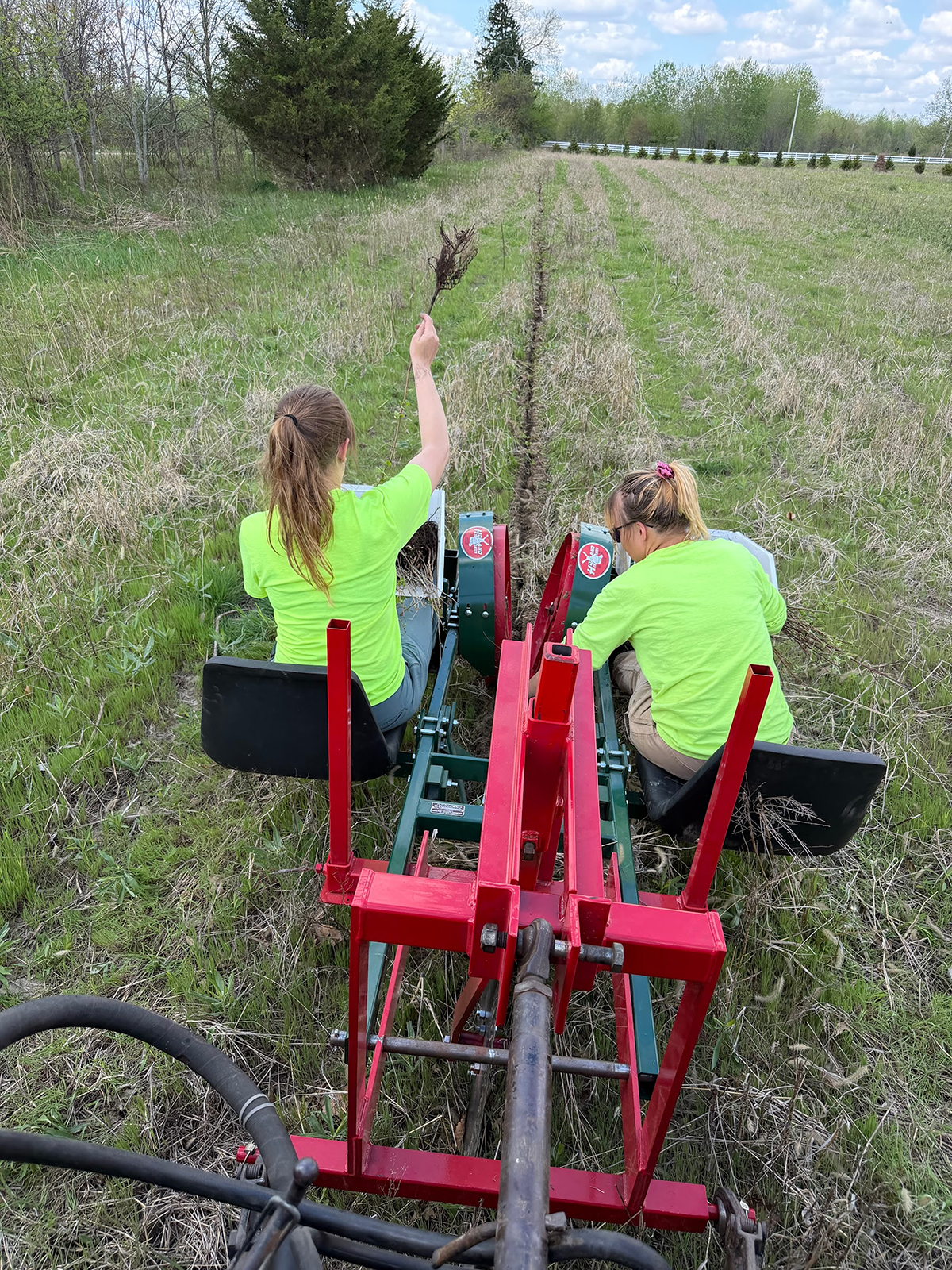
A typical contracted tree planting through our capital improvement budget costs us about $30 to $40 per potted tree. Putting all of this math together and thinking in terms of improving reforestation success, the Resource Management Team partnered up with Friends of Metro Parks, using a private donation to purchase a pull behind tree planter for our tractor. Now we can plant similar size trees as the contracted ones, but for pennies on the dollar.
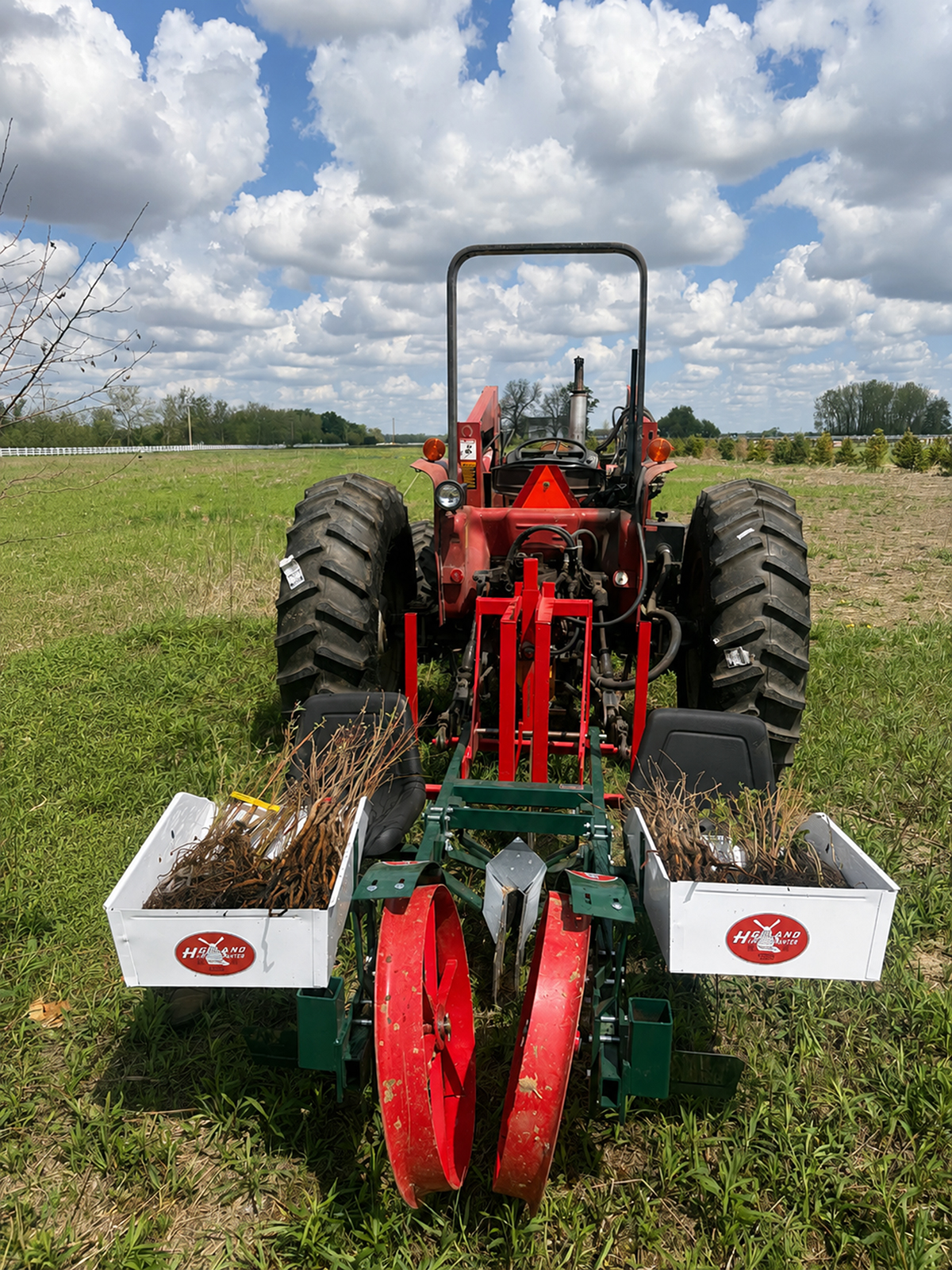
The pull-behind tree planter is a New Holland Transplanter, capable of planting up to 5,000 bare root seedlings a day, at a cost of 50 cents a tree. Going from a few hundred hand-planted trees to 5,000 a day really increases our rate of planting and overall establishment success. All in all, this piece of equipment will save the park district tens of thousands of dollars in planting costs over the life of the planter.
Recently, we utilized the tree planter to plant 2,000 bare root seedlings at Walnut Woods Metro Park and approximately 1,000 at Battelle Darby Creek Metro Park.
Partnerships like this, with the Friends of Metro Parks, really help drive our conservation efforts and it would be hard to do it at a large scale without them!
It’s encouraging to see how community-driven efforts like tree planting can have such a lasting impact on local ecosystems and park experiences. Initiatives like this not only improve habitat but also give people a meaningful way to connect with the land. I’d be curious to hear how volunteers are supported or trained to ensure long-term success of the trees.