
Amy Kulesza
Guest Blogger
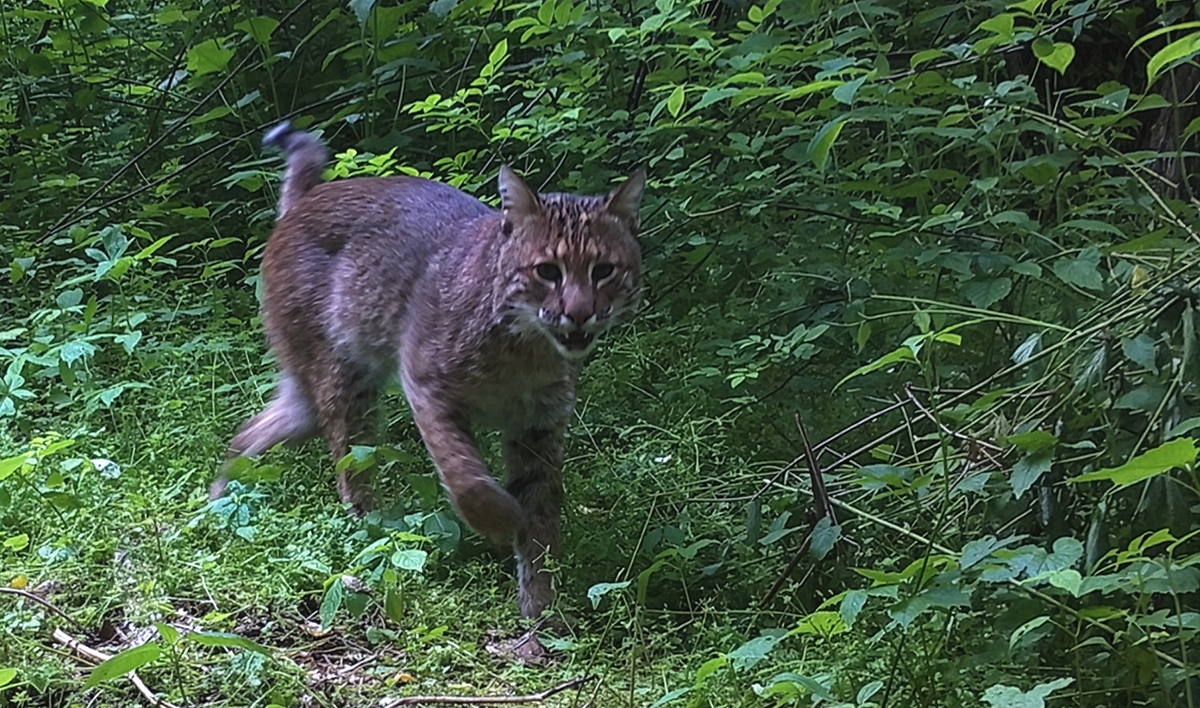
In the last six months or so, you may have heard on the news, or seen through social media posts, about the return of different animals to Ohio. The sighting of a bobcat on a trail camera strolling around Prairie Oaks Metro Park in Columbus was thrilling to see on Columbus Metro Parks’ Instagram1. Although they’ve been sighted in southeast Ohio for some time, it is exciting to have one caught on a trail camera in central Ohio, exploring the chilly autumn night.
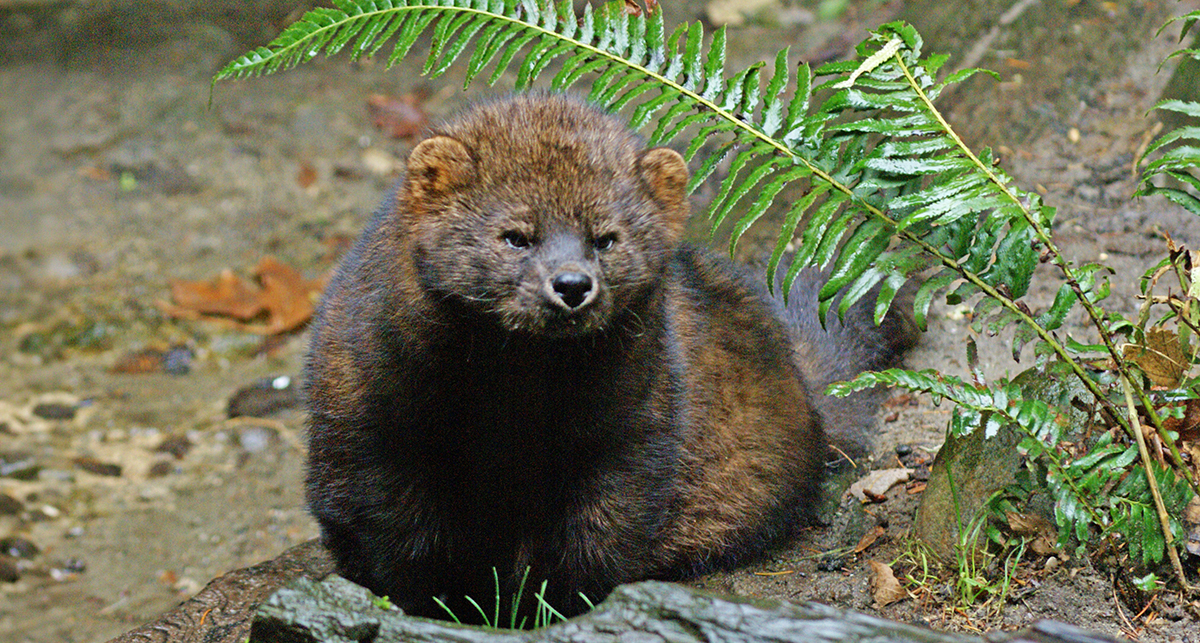
Equally intriguing was the spotting of a fisher (a cousin to the otter) on a trail camera in Cuyahoga Valley National Park, in northeast Ohio. According to the Cleveland Metroparks Instagram post2 the once extirpated fishers haven’t been seen in Ohio since the 1800s. Their bright eyes reflecting back into the camera sparks intrigue.
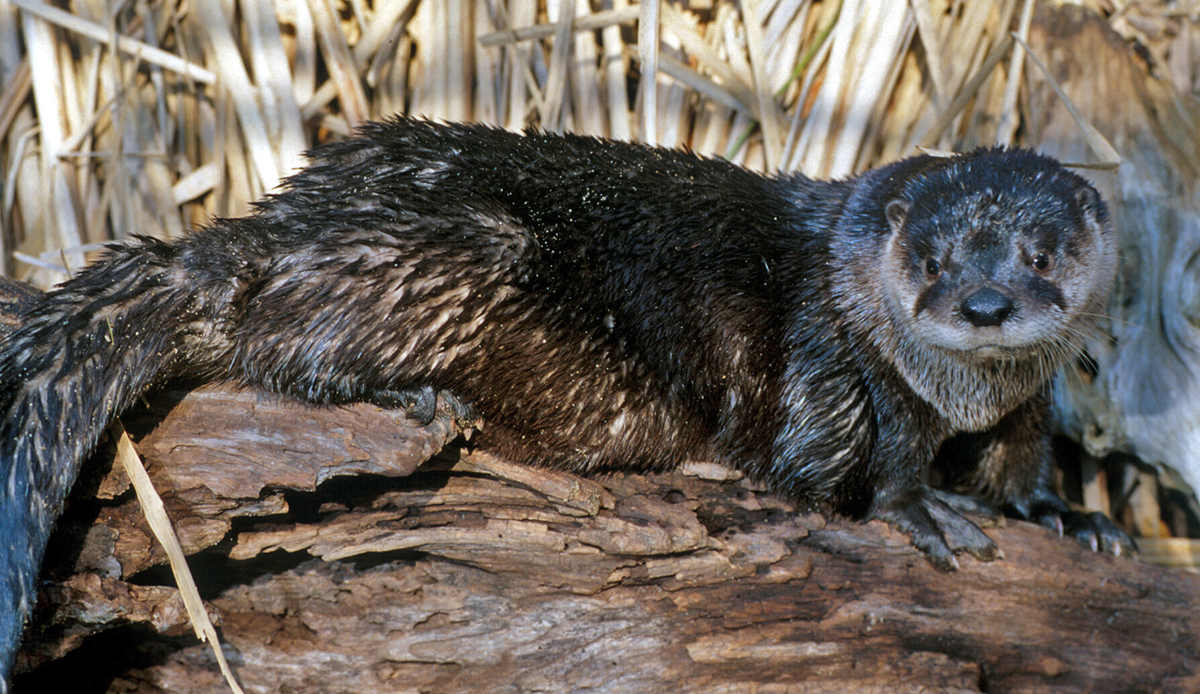
Furthermore, river otters are making a strong comeback after being reintroduced over a period of seven years, beginning in 1986, by the Ohio Division of Wildlife3. A robust monitoring program has confirmed otter presence in at least 75 watersheds today, growing from an initial introduction of 123 otters into five watersheds. A seemingly playful critter, the otter brings such joy to those lucky enough to see one in the wild.
At the time of European settlement in Ohio, these three mammals, as well as other animals like swans, black bears and cougars were numerous. But as forests were cleared for farms and other resources, as animals were hunted for food, fur or feathers, and as the quality of our watersheds diminished, these animals subsequently disappeared. In other words, they were extirpated from Ohio. Different from being extinct, these animals existed in other areas outside of the bounds of Ohio. Today, we are witnessing the exciting return of these animals to our area as a result of improved habitat and water conditions, as well as numerous conservation efforts at both the local and state levels, which is drawing significant public interest, including my own.
In this new series of articles, we will explore their return, whether naturally or by re-introduction. Specifically, we’ll examine three mammals: the bobcat, the fisher, and the river otter. We’ll also look at how tundra swans are making use of Ohio waterways once again on their migration routes. Finally, we’ll examine a case for hope, with a not yet returned animal, but one that patrols our neighboring states of Michigan and Pennsylvania — the porcupine.
Throughout this series, we’ll explore some of the commonalities of these animals (both mammals and birds) returning to Ohio. As we talk to experts and seek answers in the scientific literature, we’ll learn about how we can define a return. We’ll consider what different animals need in regards to water quality, habitat, and food resources. We’ll look at the advent of trail cameras and how those aid in our understanding of animal behavior and their return to Ohio. Finally, we’ll think about why some animals seem to be having an easier time at their return than others.
Next time, we’ll begin our exploration with the bobcat. As an animal that has made a strong comeback in Ohio, we’ll use this as our first example to explore habitat loss, thoughts around predators, and the roles of various organisms in our ecological systems.
- Columbus Metro Parks Instagram Post (@cbusmetroparks); 4 December 2025
- Cleveland Metroparks Instagram Post (@clevemetroparks); 13 December, 2025
- https://ohiodnr.gov/discover-and-learn/animals/mammals/river-otter