Evelyn Hilgeman
Outdoor Adventure Programmer
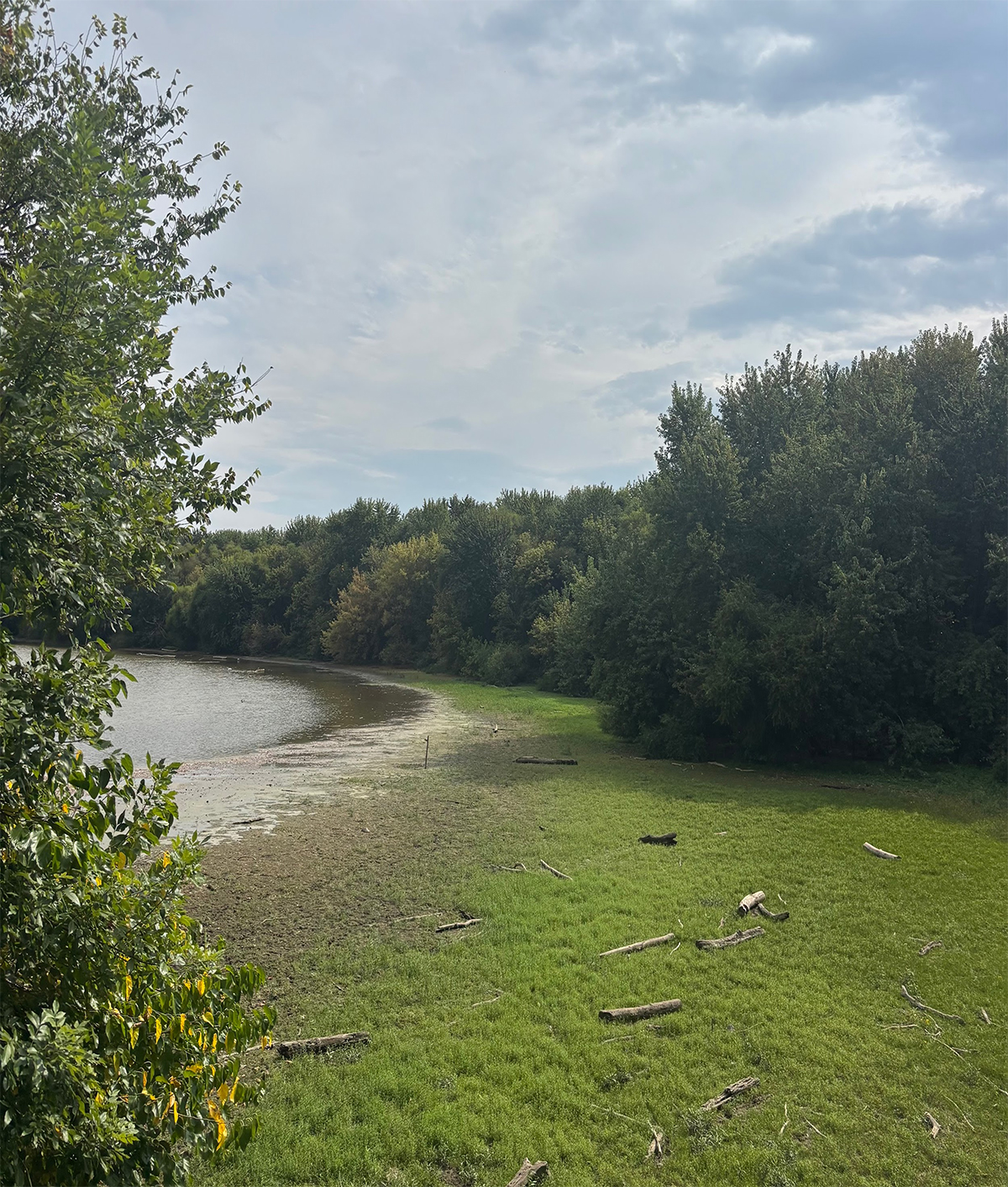
Many of our Metro Parks sit near Columbus’s rivers. If you walk through Scioto Audubon Metro Park, you’ll find highways crossing the horizon above the Scioto River, while on a stroll along the REI River Trail at Scioto Grove Metro Park, you’ll find canoe access points that add recreational value. What we consider now to be scenery, a border, or part of a sport, the indigenous peoples of this area saw them as connectors, calendars, and sources of life. Their history isn’t just found in old structures — it’s written in the rich history and flow of our waterways.
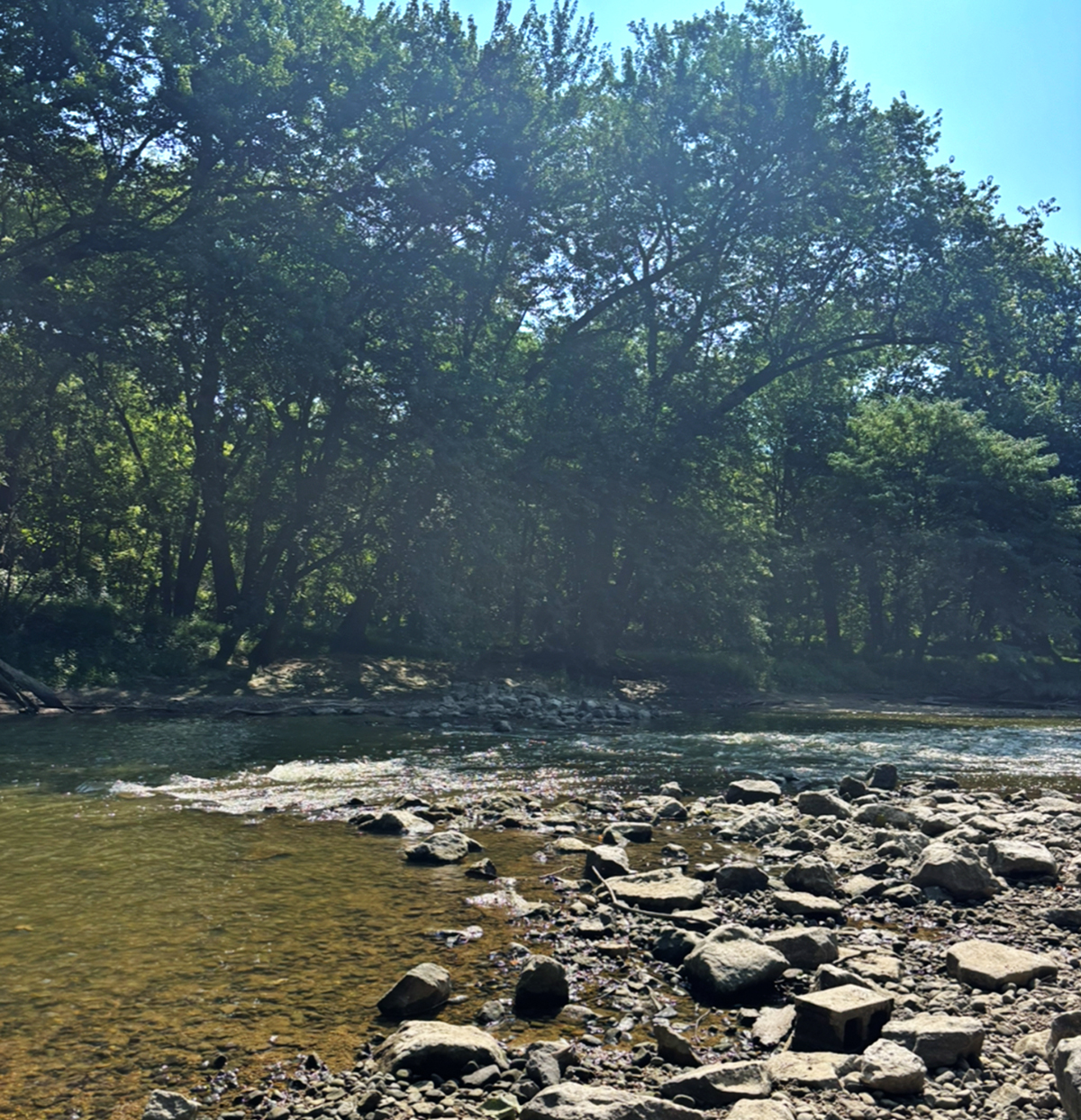
Tribes like the Shawnee, Wyandot, Delaware, Ottawa, and Miami used the Scioto River and its smaller branches —the Olentangy, Darby Creek, and Walnut Creek— as highways. These rivers connected tribes traveling south from Lake Erie to the Ohio River. Canoes made it easier to hunt, migrate, and move goods along these waterways.
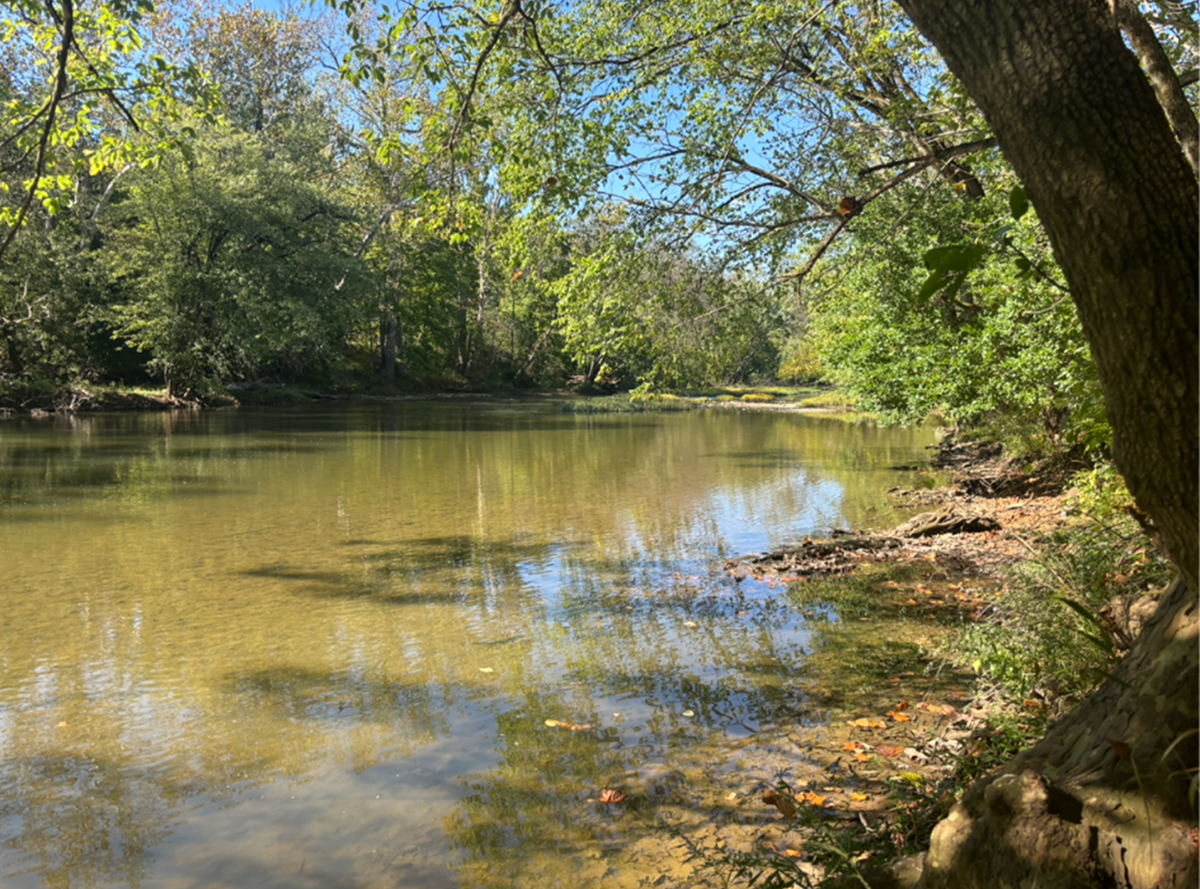
Indigenous people followed a seasonal way of living. In spring and summer, they grew crops in the rich soil near the rivers. During summer, they set up temporary camps for gathering, fishing and preparing food. In autumn and winter, they stayed in one place to store food and preserve meat. Many large settlements were found along the Scioto River and into the Ohio River network. The name Scioto comes from the Wyandot word for “deer” or “hairy river,” showing it was a good place for hunting and moving meat south.
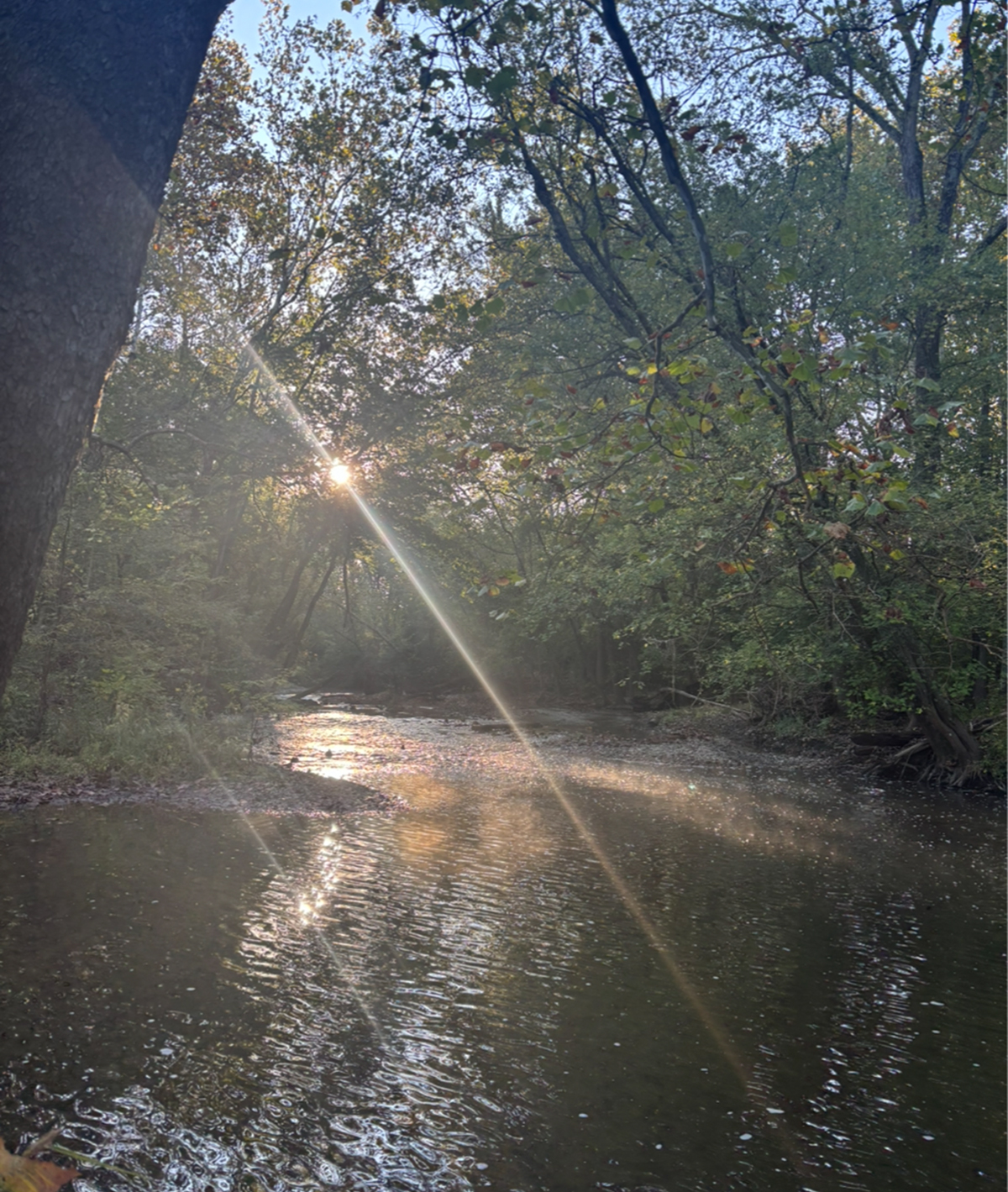
There are many indigenous echoes in our Metro Parks today. Besides preserved archaeological sites and nomenclature, the Scioto Trail originated as a footpath along the Scioto River, serving as a trade route and for simple travel. Even though it is a popular paved trail in Columbus, it was once a dirt path used a few hundred years ago.
So next time you take a hike in a Metro Park alongside the Scioto River network, walk with awareness of those who created and walked those trails before you.
I really appreciate how this article highlights the deep connection between Indigenous communities and local waterways. It’s a great reminder that conservation is about more than just preserving nature; it’s about respecting the stories and cultures that have cared for these places for thousands of years.
I wish there were more bridle trails at the metro parks, we Love Rocky Fork but so little miles, anyway to add, like possibly, some switchbacks?
Thanks for all you do,
Mitzi Gerber
We’ll pass that along to the Park Manager and planning department.
Only the imagination of the mind can try and paint a picture of what the untouched landscape the Indigenous people once dwelled in.
We can only be thankful that Columbus Metro Parks works to preserve a small piece of what’s left of Ohios’s beautiful natural landscape. Thank you for reminding us of a world before us that once thrived without the need of motors, pavement and plastic.
The rest of the world could benefit from seeing what our central Ohio waterways can provide, whether it be for enjoyment or discovery.